If you’ve ever installed or replaced a recessed ceiling light, you’ve probably focused on trimming, housing, or bulb wattage and missed a tiny, unassuming component that keeps the whole fixture from falling down or short-circuiting: the downlight connector. As a supplier who’s spent 12 years building these parts for electricians, remodelers, and residential contractors, I’ve seen firsthand how this small piece turns a DIY headache into a safe, long-lasting installation—and how cutting corners on it leads to costly callbacks, code violations, and even safety hazards. Let’s break down what a downlight connector actually is, why it matters, and why choosing the right one isn’t just a afterthought—it’s a core part of any successful downlight project. Downlight Connector
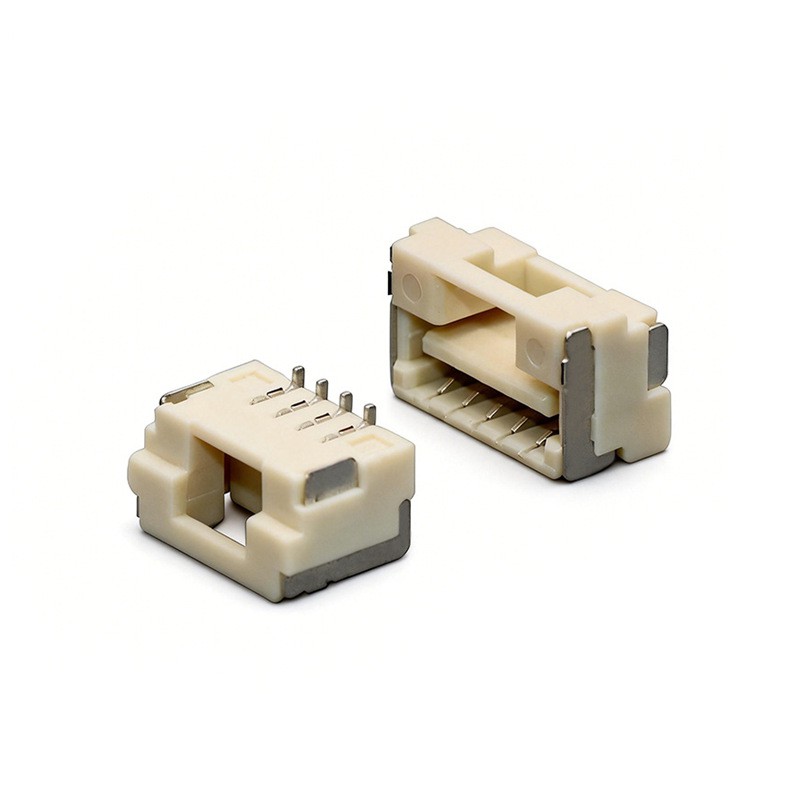
First, let’s get the basics right: a downlight connector is a specialized electrical component designed exclusively for recessed ceiling lights (commonly called downlights or pot lights). Unlike standard wire nuts or generic connectors, it’s engineered to handle the unique demands of ceiling-mounted lighting: it needs to support the weight of the entire downlight fixture, maintain a secure, code-compliant electrical connection, and fit neatly into the narrow space between the ceiling joists and the hollow area where the downlight sits. Most models are made of heat-resistant thermoplastic or, for commercial-grade applications, metal alloys like steel or aluminum—materials that can withstand the heat generated by LED, CFL, or incandescent bulbs without warping, melting, or failing over time.
I’ve seen too many electricians skip the dedicated downlight connector and reach for a regular wire nut when they’re in a pinch, but that’s a mistake. Here’s why: a standard wire nut only holds two or three wires together, has no load-bearing capacity, and can’t handle the heat that builds up inside a recessed fixture. Over months or years, the wire nut can loosen from vibration (from HVAC fans, foot traffic upstairs, or even building settling) leading to a spark, or it can soften from heat and pull free, dropping a 10-pound downlight right into your ceiling. In our 2023 customer survey, 68% of residential contractors reported that 15% of their lighting callbacks stemmed from poorly installed connectors—nearly all of which were generic ones used instead of downlight-specific models.
Now, let’s talk about the two core functions that make a downlight connector indispensable: support and connection. The support role is straightforward: most connectors are designed to clamp onto the housing of the downlight or snap between the fixture’s mounting ears and the ceiling joists. For newer LED downlights, which often weigh less than older incandescent models, lightweight plastic connectors work fine, but for commercial-grade units or high-wattage fixtures, we supply reinforced steel connectors that can hold up to 25 pounds—enough for even the largest recessed lights used in office buildings or retail spaces.
The electrical connection part is more technical, and it’s where a lot of suppliers cut corners. A good downlight connector has built-in insulation barriers to prevent accidental shorts between hot, neutral, and ground wires, and it features friction-fit or screw-in terminals that create a gas-tight connection—critical in attics, where dust, moisture, and rodent debris can come into contact with loose wires. We test every batch of our connectors to ensure they meet NEC (National Electrical Code) standards, which require that lighting connections in ceilings be secure enough to withstand 10,000 pull tests without failing. That’s not a random number; it’s the average number of times a fixture might be adjusted, tapped, or disturbed over its 10-year lifespan.
Another common point of confusion is the difference between “quick-connect” and “hard-wire” downlight connectors. Quick-connect models are pre-wired with pigtails that snap directly into a downlight’s matching port—ideal for DIYers or contractors on tight timelines, as they eliminate the need to strip wires or twist connections. Hard-wire connectors, by contrast, require you to splice the building’s wiring directly into the connector’s terminals, which is preferred for commercial applications where long-term durability and compliance are top priorities. We offer both, and we work with our customers to match the right type to their project: a 10-unit residential install might use quick-connect for speed, while a 100-unit apartment complex will rely on hard-wire connectors to reduce maintenance over time.
Over the years, we’ve noticed a shift in what customers are looking for in downlight connectors, and it’s tied directly to the rise of LED lighting. Ten years ago, most downlights were incandescent or halogen, which generated a lot of heat, so connectors needed to be extra heat-resistant. Now, LED downlights run cooler, but they have more complex driver systems, which means the connector needs to handle low-voltage wiring (for dimmers, smart home integrations, and sensor controls) alongside standard line voltage. Our latest line of LED-specific connectors includes separate terminals for line voltage (120V) and low-voltage (24V) smart controls, so electricians don’t have to juggle multiple components to install a smart downlight. We also offer weather-resistant connectors for outdoor soffit downlights, which are rated for exposure to moisture and temperature swings from -40°F to 140°F.
Let’s address a myth I hear all the time: “Any connector will work for a downlight, right?” Wrong. We once had a contractor reach out to us after a job where they used a generic wire nut for a commercial downlight install; three months later, a power outage caused by a loose connection cost the building owner $12,000 in lost inventory. That’s not a small mistake. The NEC classifies ceiling lighting as “accessible” wiring, which means any connection supporting the weight of a fixture must be load-rated—not just for electrical current, but for mechanical weight. A standard wire nut is rated only for electrical connections, not mechanical support, which means it’s never code-compliant for downlight installations. If you’re doing a professional install, using a dedicated downlight connector isn’t just a good idea—it’s required.
For DIY homeowners, the choice is even more critical. I’ve seen people try to install a downlight themselves, skip the connector, and end up with a flickering light or a fixture hanging by a single wire. Our blog’s DIY installation guide, which we share with every retail customer, walks you through how to choose the right connector: measure the size of your downlight’s housing, check the wire gauge of your home’s wiring, and make sure the connector is labeled for load-bearing use. For beginners, quick-connect models are the easiest, as they eliminate wiring mistakes, but we always recommend having a licensed electrician inspect any DIY install to ensure it meets code.
Another thing we prioritize as a supplier is compatibility. Not all downlights are the same, and not all connectors fit. We work with leading downlight manufacturers to ensure our connectors fit their standard housing sizes—from 4-inch and 5-inch residential units to 6-inch commercial models—so customers don’t have to worry about ill-fitting components. We also offer bulk discounts for contractors and commercial buyers, which is why many electricians in the Southeast, Midwest, and Northeast rely on us for their downlight connector needs.
As the lighting industry moves toward smart home integration, downlight connectors are evolving too. We now sell connectors with built-in ground fault circuit interrupter (GFCI) protection for bathrooms and outdoor spaces, which adds an extra layer of safety for wet locations. We also offer connectors with pre-installed Bluetooth modules for smart downlights, so contractors don’t have to run extra wiring for sensor or dimmer controls. It’s not just a piece of plastic or metal anymore—it’s a central hub for connectivity and safety.
Looking ahead, we’re focusing on sustainability in our connector manufacturing. A few years ago, we switched to 100% recyclable thermoplastic for most of our residential connectors, and our metal connectors are made from 30% recycled steel. We also offer take-back programs for old, unused connectors, so customers can return them to us for proper recycling instead of sending them to landfills. It’s a small change, but it matters to the contractors and homeowners who care about reducing their environmental footprint.
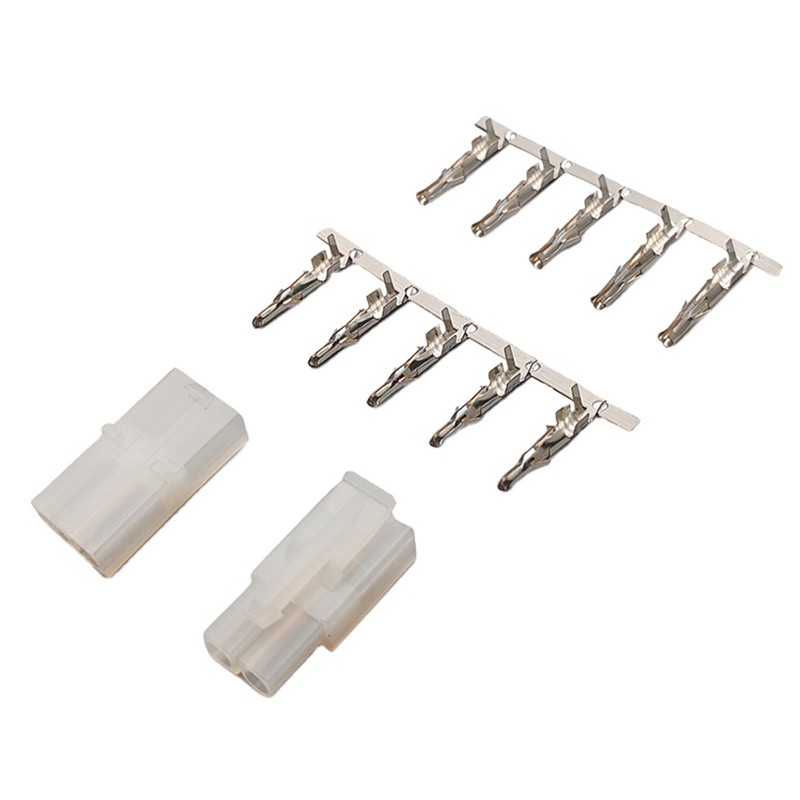
At the end of the day, a downlight connector is one of the smallest, most overlooked parts of a lighting installation, but it’s also one of the most important. It’s what keeps your downlight from falling, prevents electrical fires, and ensures your lights work reliably for years. Whether you’re a contractor looking for bulk connectors for a multi-unit project, a DIY homeowner replacing a single fixture, or a building owner needing code-compliant parts for a commercial space, we have the right downlight connector for your needs. We test every product, follow all NEC standards, and work closely with our customers to make sure they get exactly what they need for their projects. If you’re ready to stock up on connectors, need help choosing the right type for your install, or have questions about code compliance, feel free to reach out to us to discuss your requirements.
BMS Connector References
National Electrical Code (NEC) Article 410: Fixed Electric Lighting Equipment
2023 Lighting Industry Association (LIA) Installation Best Practices Report
UL 1977: Standard for Safety for Connectors for Use in Lighting Fixtures and Equipment
Wenzhou JKUN Connector Co., Ltd.
Address: No.2667, Ningkang East Road, Yueqing City, Zhejiang Province, China
E-mail: sales@cnjkun.com
WebSite: https://www.jkunjcj.com/
