Hey everyone, it’s Jake here—from the Bar Mat supplier side. For the last 6 years, I’ve shipped thousands of rubber bar mats to home bartenders, small café owners, and even busy bar managers across the country. And if there’s one question that pops up in my DMs every single week (sometimes twice a week!), it’s this: “How do I get my rubber bar mat clean without ruining it?” Bar Mat
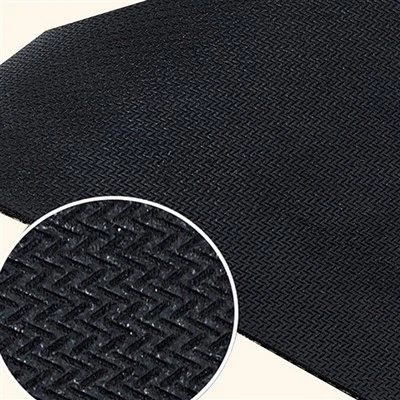
At first, I get it—rubber bar mats are workhorses. They catch spilled beer, soda, juice, that sticky syrup from your late-night coffee cocktails, and even the odd crumb from a pizza break when you’re testing new bartending tricks. Over time, that gunk builds up, and it starts looking dull, maybe even smelling a little funky if you leave it to fester. Most people either scrub it so hard that the surface gets fuzzy and peels, or they use some random cleaner from under the sink that eats away at the rubber, making it crack in a month. That’s why I made this guide—no fancy chemicals, no weird hacks, just actual, tested ways to clean your mat (including the ones we sell) without messing it up.
First, let’s get one thing straight: rubber bar mats aren’t all the same. The mats we supply are made with high-grade, non-toxic, food-safe rubber (super important if you’re serving drinks on them, right?), but cheaper mats at the dollar store? They’re made with thin, low-quality rubber that can’t handle harsh stuff. I’m writing this for anyone who’s got a bar mat that’s supposed to last—whether you bought it from me or another reputable brand. If your mat starts peeling after a few uses, that’s not you cleaning wrong; that’s the mat being garbage. But enough of that—let’s get to the actual cleaning steps.
First, let’s start with regular maintenance. You should do this every week, even if your mat doesn’t look that bad. Spills that sit for 24 hours turn into that sticky residue you can’t scratch off. All this takes is a few minutes, and it’s way easier than deep cleaning later. Here’s what you need: a bucket of warm water, a drop of mild dish soap (the kind you use for dishes, not antibacterial or degreaser stuff), a soft-bristled brush (like an old toothbrush or a dish brush with soft bristles—no steel wool, trust me), and a microfiber cloth.
Take your mat outside if you can, or lean it over your sink. Spray off any loose crumbs with the faucet first—quick rinse, no pressure. Then, mix the warm water and a drop of soap (way too much soap leaves a sudsy film, so don’t overdo it). Dip your brush in the soapy water, scrub the mat in circular motions, focusing on the areas with obvious spills—like where you always set your beer tap handle or where the syrup puddles. Don’t scrub so hard that you bend or peel the top surface; rubber’s flexible, not indestructible. Once you’re done scrubbing, rinse the whole mat thoroughly with warm water to get all the soap off. Then, lay it flat to dry—never hang it up. Hanging it can stretch the edges, and that’s why some mats curl up after a while. Just leave it on your counter (not in direct sunlight—sunlight makes rubber fade and crack over time) until it’s totally dry. That’s the weekly routine, and it keeps most gunk from building up.
Now, deep cleaning. This is for when you let the mat go a little too long—maybe a spill dried up for weeks, or it starts smelling a little sour, or it has those stubborn coffee stains or soda rings. This takes a bit more, but still nothing fancy. The key here is to use something that cuts through grease without attacking the rubber. I’ve tested a bunch of stuff over the years, and two things work way better than anything else: baking soda paste, and white vinegar. Let’s break both down.
First up, baking soda paste. This is my go-to for really stubborn stains. Baking soda is gentle enough that it won’t scratch or damage the rubber, but abrasive enough to lift that stuck-on gunk. Here’s how to make it: mix 3 parts baking soda with 1 part warm water. Stir it up until it’s like thick toothpaste—no runny mess, because you want it to stay on the mat, not drip everywhere.
Once your paste is ready, take your mat (still over the sink or outside), and spread the paste evenly over the problem areas. For really bad stains, you can scrub a little with the soft brush after spreading, then let it sit. How long? 15 to 30 minutes, max. Don’t let it dry completely on the mat—if it does, you’ll have a hard time scrubbing it off, and it might leave a powdery residue. After 30 minutes, scrub the areas again, then rinse it all off with warm water. It’ll come clean, I promise. I used this on a customer’s mat last month that had 3-month-old cola rings, and it got rid of all the brown stains without touching the rubber. Cool, right?
The other deep cleaner is white vinegar, and this is the one to use if your mat has a weird odor, or if you have mold spots (not common, but if you leave it wet in a dark spot, it can happen). Vinegar is antibacterial, so it kills the bacteria that cause that funky smell, and it cuts through grease too. Just mix equal parts white vinegar and warm water in a spray bottle. Spray the whole mat down (or soak it in a tub if it’s extra smelly), then let it sit for 10 to 15 minutes. Scrub gently, then rinse thoroughly. I don’t use pure vinegar straight—too much vinegar can make rubber a little dull over time, so mixing it with water is key. And if you have a super bad smell, after the vinegar step, you can do a quick baking soda rinse too—like a light scrub with a little baking soda and water, then rinse. That takes care of even the worst odors.
Wait, what should you never use on a rubber bar mat? Let’s get the bad stuff out of the way, because I’ve seen people do this, and it ruins mats fast. First, harsh degreasers like Formula 409 or oven cleaner. Those are made for heavy-duty stuff, and they eat away at the rubber’s surface. A few sprays might make it look clean for a day, but in a month, your mat will start cracking and flaking. Second, bleach. Bleach is for white clothes, not rubber. It discolors the rubber (even if it’s black, it’ll fade to a weird gray) and breaks down the material over time. Third, high-pressure hoses or pressure washers. I know, it’s tempting to blast the mat and get it done fast, but the pressure is way too strong. It can peel the top layer of the rubber, make edges curl, and even warp the whole mat. And finally, abrasive scrubbers like steel wool or stiff bristle brushes. Those scratch the rubber, leaving tiny grooves where gunk can get stuck later, and they ruin the smooth finish that makes bar mats work for catching spills.
Also, a little pro tip from us (the suppliers) that most people don’t know: when you’re drying your mat, roll it loosely, not tight. If you have to store it (like if you’re moving or switching bars), rolling it loosely and standing it up in a corner is way better than folding it. Folding leaves creases that can become permanent, especially in cold weather. And never leave your mat in a car for a long time—extreme heat or cold will mess with the rubber, making it brittle or soft and stretchy.
I get it, cleaning a bar mat isn’t the most exciting part of bartending, but it’s part of keeping your space clean, safe for serving drinks, and making your mat last as long as possible. The mats we supply are built to handle daily use, but they’re not indestructible. A little regular cleaning goes a long way— I’ve had customers tell me their mats look brand new after 2 years, just because they follow these steps.
If you’ve tried cleaning your mat and it’s still not looking how you want, or if you need a replacement mat that’s actually built to last (no flimsy stuff here), hit us up to chat. We help home bartenders stock their home bars, small cafes get affordable, durable mats, and even larger venues customize mats for their brand. Just reach out, tell me what you need, and we can work something out. No hassle, no weird sales pitches—just good mats and good service.

At the end of the day, a clean bar mat isn’t just about looks. It’s about making sure that when you set down a freshly mixed cocktail or a cold beer, you’re not serving it on something that’s covered in old gunk. That’s why we care so much about making mats that are easy to clean, and why I wanted to share these tips with you.
Bath Mat References:
- Rubber Institute. (2021). Care and Maintenance of Synthetic Rubber Products.
- Food and Drug Administration. (2022). Cleaning and Sanitizing Food-Contact Surfaces for Small Businesses.
- The Spruce. (2023). How to Clean Rubber Mats Without Damaging Them.
- American Bartenders Association. (2022). Bar Maintenance Guide for Home and Professional Settings.
Cixi Mingsheng Rubber & Plastic Co., Ltd.
Cixi Mingsheng Rubber & Plastic Co., Ltd. is one of the most experienced bar mat manufacturers and suppliers in China, also supports customized service with competitive price. We warmly welcome you to buy bulk cheap bar mat from our factory. If you have any enquiry about quotation and free sample, please feel free to email us.
Address: No.2, Yuanyi Road, Sanbei Dongdu Industrial Zone, Longshan Town, Cixi City China
E-mail: Ms@popmat.com
WebSite: https://www.pobmat.com/
