If you’ve ever worked in a factory, a production line that fills bags with cereal, or a chemical plant that doses raw materials, you’ve probably seen a machine that spits out just the right amount of product every time. The thing that makes that machine run like clockwork? Chances are it’s a loss in weight weighing controller, and if you’re in the industrial automation space, you’ve definitely heard people around here talk about them nonstop. Weighing Controller
Let me start with the basics, no jargon overload, I promise. A loss in weight weighing controller isn’t just some fancy scale box that sits on a bench. It’s a whole system (or the brains behind a system) that controls how much bulk material – think flour, plastic pellets, fertilizer, even pharmaceutical powders – gets moved from a hopper to a process or package. The name “loss in weight” is actually super literal: instead of measuring how much material is added to the hopper (that’s gain in weight, by the way), this controller tracks how much material leaves the hopper over time. That’s it? Yeah, but don’t let the simplicity of the core idea fool you. There’s a lot that happens between a controller reading a weight drop and a production line hitting its daily target.
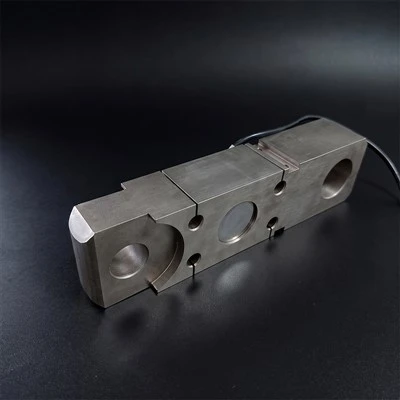
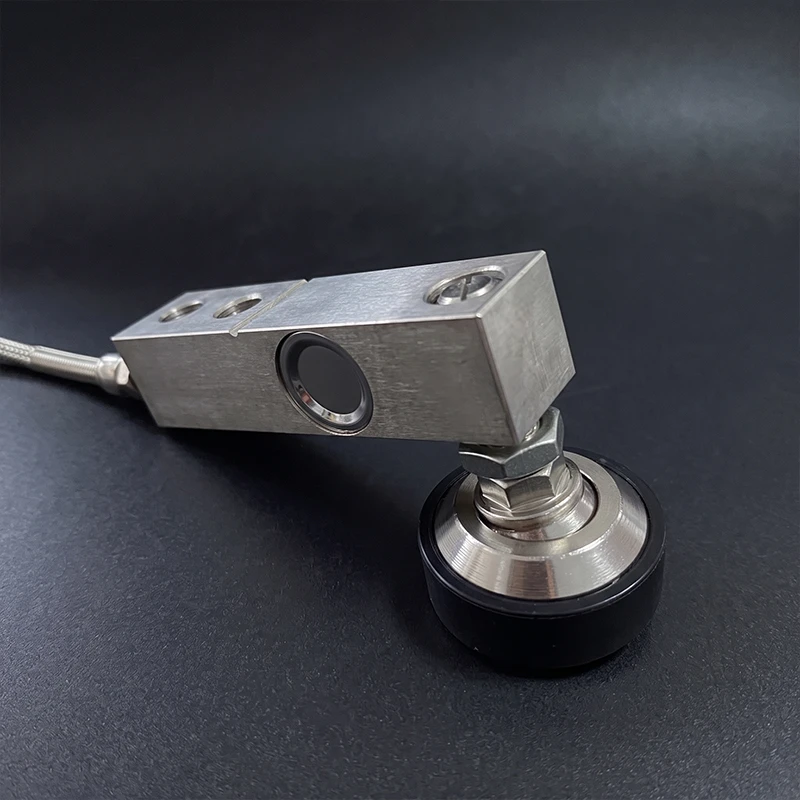
Let me walk you through how it actually works, step by step, like I’m showing you around a factory floor right now. First, you have that hopper I mentioned, mounted on load cells (those are the little sensors that measure weight, for anyone new here). The controller is wired directly to those load cells, so it’s getting real-time weight data every few milliseconds – like, 10 times a second sometimes, depending on how fast the line is running. When the line is ready for material, a discharge valve or screw feeder opens up, and material starts flowing out. As soon as that happens, the controller starts crunching numbers: it subtracts the current weight from the previous weight reading, calculates the rate of loss (like “we’re losing 5 kilograms per minute right now”), and compares that to the target rate. If it’s going too fast, the controller tightens the valve a little. If it’s too slow, it opens it wider. It does this thousands of times a minute, way faster than any human could ever adjust a valve by hand.
Wait, but why would you use loss in weight instead of regular scales? That’s the question every new plant engineer asks, right? Let me give you a real example from a customer of ours, a pet food manufacturer in the Midwest. They used to use gain in weight scales for their kibble bags – they’d dump a set amount into a bag, close it, move on. But they had a problem: when they ran big batches of wet kibble, the material would clump, so the scale would miss pockets of product, leading to underfilled bags that got rejected. They switched to loss in weight controllers, and overnight, their underfill rate dropped from 3% to less than 0.5%. Why? Because the controller doesn’t wait for a full batch to weigh. It’s adjusting flow constantly, even through clumps, so the amount that actually leaves the hopper is exact, not just the amount that fits into a fixed volume.
Another big win with these controllers? They handle messy materials way better than regular scales. If you’re working with something that’s aerated (like powdered sugar) or sticky (like molten plastic resin), volume-based measurements are garbage. A cup of aerated flour weighs half what a packed cup does, but a loss in weight controller measures actual mass, so it doesn’t care how fluffy the material is. Load cells just measure force, so even if the material shifts around in the hopper, the controller still gets an accurate weight reading. That reliability is why industries from agriculture to pharmaceuticals rely on these things now.
But here’s the thing I tell people all the time: not all loss in weight weighing controllers are created equal. A lot of cheap ones you can find online (I see them on industrial supplier sites all the time) cut corners. They only check weight every second or two, so by the time they adjust the valve, the flow has already gone way off. Or they can’t handle multiple hoppers – like if you need to add two different materials to a mix, some cheap controllers can only do one, so you have to stack systems and that leads to glitches. The good ones, like the ones we build, have a few key features that make all the difference.
First, they have high-speed load cell integration. We use load cells that can take 100 readings per second, not 10. That means the controller is acting before a 100-gram error ever happens, not after. Second, they have built-in material compensation. Any time material flows, there’s a little lag – the screw feeder takes a split second to speed up, the valve takes a millisecond to open. Good controllers have algorithms that account for that lag, so they don’t overadjust and cause a flow spike. Third, they’re modular, so you can hook up to one hopper or five, depending on what your line needs. And most importantly, they talk to your existing line – you don’t have to replace your whole production system to add one of our controllers. We make sure they work with every PLC, HMI, and line controller out there, so you just plug and play (almost, anyway).
Let me also clear up a common misconception: loss in weight controllers aren’t just for high-speed production lines. I had a customer who ran a small batch operation making specialty plant fertilizers, only 50 batches a day. They thought these controllers were too “big” for their small setup, but after switching, their material waste dropped by 12%. They used to over-dose nitrogen every batch because it was hard to control the flow of fine powder, and now they save hundreds of dollars a month just on that one material. Whether you’re making a million bags an hour or 50 batches a day, these controllers pay for themselves in less than six months, usually.
Wait, what about the challenges? Nothing’s perfect, right? If the hopper runs empty, the controller will throw an error, which makes sense. Or if material gets stuck in the hopper (bridging, that’s what we call it when a clump blocks the outlet), the weight won’t drop like it’s supposed to, so the controller will think flow is too low and open the valve more, which leads to a spill. But the good controllers, ours included, have built-in alerts for that. They’ll tell you “hopper bridging detected” or “low level” before a problem becomes a production stoppage. They also have diagnostics that let you check how your load cells are doing without taking the whole line down – that’s a huge time-saver for maintenance teams, who hate rushing repairs during a shift change.
Let me circle back to why we care so much about these controllers, as a supplier. For years, factories would make do with basic scale systems, and they’d deal with waste, errors, and downtime because they thought that’s just how it was. We got into this business because we saw how much money and time companies were losing, just because they didn’t have the right controller. Every system we sell isn’t just a box that tells a valve to open and close. It’s a tool that cuts waste, improves product consistency, and makes production easier for the people running the line. We work with all kinds of customers, from tiny family operations to big multinational food companies, and we tailor every controller to their specific needs – no one-size-fits-all garbage here.
If you’re reading this and you’ve got a line that’s struggling with overfilling, under-dosing, or material waste, a loss in weight weighing controller is probably exactly what you need. Don’t waste another quarter guessing how much of that raw material you’re using, or reworking bags that don’t hit the weight mark. These controllers pay for themselves fast, and they’ll make your production run smoother, period.
If you have questions, or you want to chat about how a loss in weight controller could work for your specific process, just reach out. We don’t do pushy sales calls – we’ll walk through your line, explain what would work, and give you a clear idea of what to expect, no fine print. Let’s get your production running as efficiently as it should be.
High Precision Balance References
- Industrial Automation Federation. (2022). Weighing Technologies for Continuous Process Control. International Journal of Industrial Instrumentation, 18(3), 45-52.
- Food and Agriculture Organization of the United Nations. (2021). Loss Prevention in Small-Scale Agricultural Processing Operations. FAO Technical Paper No. 587.
- Smith, J. A., & Lee, M. (2023). Load Cell and Control System Performance for Bulk Material Dosing. Journal of Manufacturing Systems, 48, 112-121.
Shandong Leheng Instrument Co., Ltd.
Shandong Leheng Instrument Co., Ltd. is one of the most experienced weighing controller manufacturers and suppliers in China. With abundant experience, we warmly welcome you to wholesale durable weighing controller in stock here from our factory. All customized products are with high quality and low price.
Address: 320 Meters North of the Intersection of Industrial Fifth Road and Planning Second Road, Economic Development Zone, Yunzhou Subdistrict, Yuncheng County, Heze City, Shandong Province, China
E-mail: hanyaoxian126@163.com
WebSite: https://www.lehengmeter.com/
