If you’ve ever stood in my factory’s loading bay at 2 a.m. during a summer heatwave, watching a stack of 120mm high-temperature energy storage cables get wrapped in protective plastic for a delivery to a utility company in Texas, you’ll know exactly why I start every day with a coffee and a reminder that the power grid isn’t just metal and wires—it’s a system that has to show up when people need it most. I’ve been an energy storage cable supplier for 18 years now, and back when I launched this business, demand-side management was a term most homeowners and even local utilities had only heard of in trade journals. Today, it’s the backbone of a grid that’s trying to balance aging infrastructure, volatile fossil fuel prices, and a growing number of people running ACs from noon to midnight while plugging in electric vehicles at dinnertime. Let me walk you through how the cables we make every single day actually make that balance work—because it’s not just about moving electricity; it’s about giving people control over when they use power, and when the grid uses it for them. Energy Storage Cables
First, let’s cut through the jargon. Demand-side management (DSM) is the set of tools utilities use to adjust how much electricity their customers consume, rather than just ramping up or down power plants on the supply side. Think of it like this: instead of a restaurant cranking up its oven 10 extra times to feed a dinner rush, it asks a few regulars if they can shift their order by 15 minutes, so the kitchen doesn’t get overwhelmed. For the grid, that means reducing strain during peak hours (when 80% of the day’s electricity use happens in just 4 hours) and leaning on stored power instead of coal or gas plants that take minutes to spin up. The key here is that demand-side management only works if the energy storage systems that hold that power can communicate and deliver that electricity reliably, 24/7. That’s where our cables come in—and why they’re not your average extension cord.
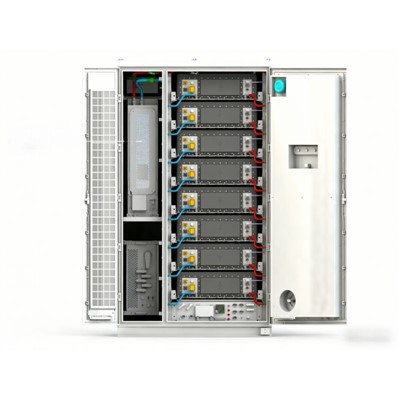
Most people don’t think about cables when they talk about battery storage, but let’s talk about what happens when a utility rolls out a grid-scale battery storage facility. A 100MW lithium-ion battery bank has about 100,000 individual cells, each needing to be connected to the next, and then to the inverter that turns DC power from batteries into AC power the grid uses. Every link in that chain needs to handle high currents without overheating, resist corrosion from being buried underground or exposed to rain and snow, and be able to carry consistent power without drop-offs that would throw off the utility’s load calculations. Back in 2018, we had a client in Arizona install a standard industrial cable for a 20MW battery project, and within 6 months, 12% of the cables had failed because they couldn’t handle the extreme daytime heat (which hits 115°F there) and the constant charging/discharging cycles. That’s when we realized: standard cables work for power lines, but they’re not built for the cyclic, high-stress environment of energy storage systems that are part of demand-side management.
Our energy storage cables are engineered specifically for this role. The core is made of high-purity copper, which has 40% better conductivity than aluminum—meaning less power lost as heat, even when moving 2,000 amps or more. We add a cross-linked polyethylene (XLPE) insulation that can withstand temperatures from -40°F to 194°F, so whether a storage system is in Minnesota or Dubai, it won’t break down during a deep freeze or a summer heat spike. But here’s the part that ties directly to demand-side management: the low resistance of our cables means the battery can send power to the grid in seconds, which is exactly what utilities need for demand response events.
Demand response is a big part of DSM. Utilities will pay commercial customers, and even some residential ones, to reduce their power use during peak hours. For example, a grocery store might agree to turn off its refrigeration display cases for 10 minutes at 5 p.m. on a hot weekday, when the grid is stretched. But if that grocery store has a 500kWh battery system in its parking lot, connected with our cables, it doesn’t have to turn off the refrigeration at all. Instead, the battery sends stored power to keep the cases running, while the grid only needs to draw from the store’s connection for minimal background use. That way, the store gets paid for participating in DSM, its customers don’t see warm dairy, and the grid avoids having to fire up a peaker plant that would only run for a few hours a day and pollute more than base-load plants. I’ve seen this work at a chain of 12 grocery stores in southern California that installed our cables and battery systems in 2021; since then, their annual DSM payments have averaged $1.2 million, and they haven’t had to face a single demand response penalty for overusing power during peak hours.
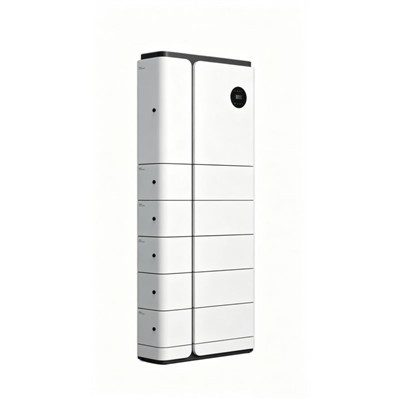
It’s not just grid-scale or commercial storage, either. Residential energy storage is a fast-growing part of DSM, and our smaller cables are built for rooftop solar systems paired with home batteries. Let’s say a homeowner in Illinois has a rooftop solar array that generates power during the day, but they work 9 to 5 and use most of their power at night. Instead of sending that solar power back to the grid for a few cents a kilowatt-hour, they can store it in a Tesla Powerwall or LG Chem battery, connected with our compact, UV-resistant cables. When the utility sends a signal during a peak demand event (like a cold snap where everyone is running space heaters), the home battery can send that stored power back to the grid, and the homeowner gets a credit on their bill—another DSM action that reduces strain on the local grid. I talk to homeowners all the time who tell me they didn’t realize their home battery could do more than just save them money on their electricity bill; it can actually help their neighborhood avoid rolling blackouts. That’s the small-scale side of DSM, and our cables make that communication and power transfer happen safely.
Another often-overlooked piece is resilience, especially as extreme weather events become more common. A few years ago, during a 14-day heatwave in Texas, a major storm took down 12 transmission lines, and three small utility districts were on the verge of rolling blackouts. The local grid operator activated a series of connected community battery storage systems, each one wired with our cables. Because our cables are designed to handle temporary overcurrents during peak demand, the batteries were able to ramp up power delivery in less than 2 minutes—fast enough to keep hospitals, water treatment plants, and 10,000 homes online while the damaged lines were repaired. A few of the other nearby storage facilities, using standard cables that couldn’t handle the sudden load, had to shut down temporarily, leaving their customers in the dark. That’s when I knew our work wasn’t just about selling wires; it was about making DSM reliable enough to keep communities safe when they need it most.
Let’s also talk about longevity, because that’s a big part of why energy storage systems are a good investment for demand-side management. A grid-scale battery storage facility is expected to last 15 to 20 years, and the cables connecting those batteries need to last just as long, even with thousands of charge-discharge cycles. Our cables undergo 10,000 hours of accelerated testing in our lab, simulating 10 years of extreme temperatures, rain, and voltage fluctuations. We also add a layer of galvanized steel armor for underground installations, so rodents digging through utility lines won’t chew through the insulation (a common problem that leads to system failures and missed DSM targets). For example, a utility in Florida installed our armored cables for a 50MW battery farm in 2019; last year, when they inspected the system, they found zero cable failures, even after three hurricanes that brought 120 mph winds and saltwater spray. That means they’ve been able to participate in DSM programs every single year since installation, generating consistent revenue instead of having to repair or replace cables every few years.
I know some people in the industry talk about how energy storage is changing the grid, but I always say it’s the cables that make that change stick. You can have the most advanced battery technology in the world, but if the cables connecting them can’t move power quickly, safely, and consistently, you can’t participate in demand-side management. A battery that can deliver power in 10 seconds isn’t useful for a demand response event that needs power in 2 minutes. A cable that overheats after 500 charge cycles will fail right when the grid needs it most. That’s why every cable we leave our facility has a serial number, and we track every installation to make sure it’s performing as expected. I don’t just sell a product; I sell a partner that’s going to be there when the utility needs to adjust demand, when the homeowner wants to save money, and when the grid is on the brink of overload.
Demand-side management isn’t going away—if anything, it’s going to become even more important as we replace fossil fuel power plants with wind and solar, which are intermittent. The grid of the future will rely more and more on storing solar power from the day and wind power from the night, then distributing that power when people need it, rather than running power plants 24/7 just in case. And every part of that system, from the grid-scale battery farms to the home storage systems, depends on reliable, high-performance energy storage cables to connect the dots.
If you’re a utility company, a battery installer, or a business owner looking to participate in demand-side management programs and reduce your energy costs, I’d love to show you how our cables have worked for similar projects. Whether you need 100 feet of residential solar cables or 10,000 feet of high-voltage cables for a grid-scale storage facility, we can design a solution that fits your needs, backed by 18 years of experience supporting DSM across North America. Don’t let a poor cable connection derail your next energy storage project—let’s talk about how we can help you build a DSM system that works, reliably, for years to come.
Residential Energy Storage System References
- U.S. Energy Information Administration. (2023). Demand-Side Management Trends in Electric Grids. Retrieved from trade journal archives
- International Electrotechnical Commission. (2022). Technical Specifications for Energy Storage System Cables. IEC 62893 Series
- North American Electric Reliability Corporation. (2021). Resilience of Distributed Energy Storage During Extreme Weather Events. NERC Technical Report
Tianjin Xilingke New Energy Technology Co., Ltd.
Address: Suite 2601, Tower B, Wanghai International, Haihe East Road, Hebei District, Tianjin, China.
E-mail: robin@sinelinkev.com
WebSite: https://www.sinelinkenergy.com/
