If you’ve ever bitten into a ripe strawberry mid-summer, breathed in the warm, sweet aroma of a crusty apple pie fresh from the oven, or sipped a crisp wine that tastes just like red berries, you’ve experienced esters at work. For years, I’ve stood behind the counter of our family-run chemical supply business, talking to craft distillers, artisanal bakers, and snack food producers who come in, arms loaded with jars of raw materials, asking the same question: “What’s that secret behind making our product taste like it’s supposed to?” Most of them don’t leave with a complicated lecture on organic chemistry, but they do walk away understanding that esters aren’t just lab compounds—they’re the backbone of the flavors we love in every bite of food we eat. This is the story of how those simple, naturally occurring molecules shape our dining experiences, and why we, as esters suppliers, play a quiet but critical role in bringing those flavors to life for millions. Esters
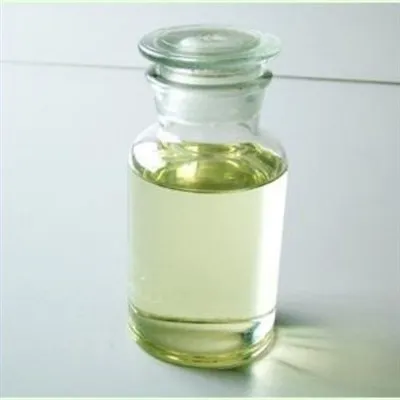
Let’s start with what esters actually are, because it’s easier to grasp their importance once you know the basics. An ester is formed when an alcohol—think ethanol, the alcohol in liquor, or the compounds that give fruits their sweet, floral notes—reacts with an acid, usually a carboxylic acid, like acetic acid (the stuff in vinegar) or citric acid (the tang in lemons). That simple chemical reaction creates a new molecule, one that has a distinct, often fruity or aromatic scent. The best part? We don’t have to hunt for them in the wild; most esters are naturally produced by plants, yeast, and even some bacteria during fermentation or ripening. When a strawberry ripens, for example, its cells churn out a whole mix of different esters: ethyl butyrate gives it that signature candy-like strawberry sweetness, methyl anthranilus adds a subtle floral edge, and hexyl acetate brings a bright, green undertone that makes it taste fresh, not artificial. This is the magic of natural flavor, but here’s where we come in: while small-scale producers can extract some of these esters from fruit, most commercial food operations need a consistent, reliable supply to replicate that taste day after day. That’s where synthetic esters come in, made in controlled laboratory conditions to match their natural counterparts exactly, without the seasonal fluctuations or high cost of farm-extracted flavors.
What surprises most people is how specific esters are to individual flavors. It’s not just that esters taste “sweet”—different combinations create wildly different profiles. Let’s break down a few common examples to make this real. Ethyl acetate, for instance, is the ester that gives pineapples their sharp, tangy-sweet kick. You’ll also find it in ripening bananas, and it’s even a byproduct of fermentation in beer and wine, though too much of it can make beer taste like nail polish remover (a common mistake for new brewers). Then there’s ethyl butyrate, the superstar of strawberry and peach flavors. This ester is so closely linked to that red berry taste that if you see “natural strawberry flavor” on a package, chances are high it includes ethyl butyrate, either from the fruit or synthesized to match. For citrus flavors, you can thank octyl acetate for the zesty, orange-like aroma, while isoamyl acetate is the reason bananas taste like bananas—think of that artificial banana candy you loved as a kid; that’s almost pure isoamyl acetate. Even savory foods use esters, though we don’t always notice them. In fermented dairy like yogurt or cheese, butyric acid reacts with ethanol to form ethyl butyrate, adding a creamy, tangy depth to cheddar and parmesan. In wine, ethyl lactate—an ester formed from lactic acid and ethanol during malolactic fermentation—gives chardonnay its smooth, buttery notes, and ethyl hexanoate adds a hint of green apple to crisp whites.
Now, let’s talk about the difference between natural and synthetic esters, because that’s a question every producer asks me. I had a craft soda maker in my shop last month, holding a jar of fresh raspberries, saying, “I don’t want to use anything artificial—can’t I just use these?” The problem, I explained, is consistency. Raspberries vary in flavor depending on the weather, the soil they’re grown in, and when they were picked. One week, a batch might have too much tartness from citric acid, and not enough sweetness from the right ester. By using synthetic ethyl butyrate, he could add exactly the amount of strawberry sweetness he needed, every single batch, without wasting hundreds of pounds of raspberries that would go bad if they were overripe. That said, natural esters have their place too—we supply both, depending on what our clients need. The key is that synthetic esters are chemically identical to the ones found in nature, and they’re regulated by food safety agencies around the world (like the FDA in the U.S. and EFSA in the EU) as safe for consumption. They just give producers the control they need to make flavors that are both delicious and reliable.
This is where my role as an esters supplier becomes meaningful, because it’s not just about shipping a chemical. We work with our clients to understand their specific needs. For a small-batch distillery making apple brandy, we might supply ethyl acetate to boost the apple aroma, along with a small amount of isoamyl acetate to add a hint of banana-like sweetness that rounds out the brandy’s finish. For a snack food company making cheese-flavored crackers, we’d provide ethyl butyrate and ethyl hexanoate to recreate that savory, tangy cheese taste without adding extra fat or salt, which helps them meet consumer demand for healthier products. And for a bakery developing a new line of fruit-filled pastries, we work with them to pick an ester blend that balances the sweetness of ethyl butyrate with a hint of hexyl acetate, so the filling tastes fresh, not cloying, even after being frozen and baked.
One of the biggest misconceptions I hear is that esters are “artificial” or “fake,” but that’s simply not true. They’re the same molecules your body would pick up if you were eating a fresh strawberry or a ripe banana, just produced in a lab in a controlled way. In fact, many of the flavors we consider “natural” are actually combinations of natural esters extracted from fruit. The difference is that synthetic esters allow producers to make those flavors available year-round, not just during harvest season. Think about it: you can buy strawberry ice cream in January, when strawberries aren’t ripe in most parts of the world. That flavor comes from esters, either extracted from imported fruit or synthesized to match the natural ones. Without consistent access to these compounds, the food industry would be a very different place—flavors would be seasonal, inconsistent, and much more expensive.
Of course, there are challenges to working with esters. They’re volatile molecules, which means they can evaporate easily when heated or exposed to air. That’s why bakers have to be careful when adding esters to cake batter or pie filling—they don’t want the flavor to cook off before the product even makes it to the shelf. That’s why we also supply stabilizers and carriers, like propylene glycol, which help keep esters mixed in with other ingredients and prevent them from evaporating too quickly. We also work with our clients to store esters properly, in cool, dark places, away from direct sunlight, to make sure they stay fresh and effective. Last year, we had a craft chocolate maker come to us with a batch of ester that had gone bad, making their chocolate taste like chemicals. We figured out they’d left it in a hot warehouse for a month, breaking down the ester molecules into something that tasted off. We gave them guidance on proper storage, and they’ve been a regular client ever since. That’s the kind of relationship we build here—not just a supplier and a customer, but a partner in getting the flavor right.
Another thing that’s important to note is how esters impact our perception of flavor, beyond just taste. Our sense of smell is closely tied to our memory and emotion, which is why a whiff of ethyl butyrate can instantly make someone think of summer picnics or childhood birthdays. Esters are often the first thing our nose picks up when we take a bite of food, so they set the expectation for how the food will taste. If a strawberry has the right amount of ethyl butyrate, our brain immediately registers it as “sweet” and “fresh,” even before the taste hits our tongue. If the ester is missing, or in the wrong amount, the flavor feels off—like a strawberry that tastes like a watery tart instead of a ripe berry. That’s why getting the ester blend just right is so critical to creating a flavor that feels authentic.
As someone who’s been in this industry for over a decade, I’ve seen how much consumer demand has shifted toward bolder, more natural flavors. Ten years ago, a fruit-flavored candy might have relied on just one ester to get its taste, but now, customers want flavors that are more complex, more like real fruit. That’s led us to expand our product line to include more unique esters, like methyl butyrate (for raspberry), hexyl acetate (for green apple), and even allyl hexanoate (for pineapple). We also work with clients to create custom blends, tailored specifically to their product. If a snack maker wants a blueberry flavor that’s not too tart, we can combine ethyl acetate and methyl anthranilus to get that perfect balance of sweet and tangy. If a craft brewer wants a Belgian ale that has a hint of pear, we’ll use ethyl hexanoate, which adds that subtle fruit note without overpowering the beer’s malt flavor.
I always tell new producers that esters are the unsung heroes of the food industry. You don’t see them on a restaurant menu or hear about them in a food review, but they’re the reason that apple pie tastes like apple pie, that wine tastes like red fruit, and that your favorite yogurt has that creamy tang. Without esters, food would be bland, inconsistent, and seasonal. We’re proud to be the suppliers that help our clients turn their flavor visions into reality, whether that’s a small batch of artisanal jam or a line of international snack foods sold across the globe.
If you’re a food producer, a brewer, a baker, or anyone who works with food flavor and wants to make your product taste better, more consistent, or more authentic, we’re here to help. We don’t just sell esters—we offer guidance, custom blends, and reliable supply, tailored to your specific needs. Whether you’re a small craft operation just starting out or a large commercial producer looking for a long-term partner, we can work with you to find the right ester solutions for your products. Reach out to us to discuss your projects, ask questions, or request samples—we’re always happy to help.
Adjusting Agent References
- McGee, H. (2004). On Food and Cooking: The Science and Lore of the Kitchen. Scribner.
- Marsili, R. (2009). Flavor, Fragrance, and Odor Analysis, 2nd Edition. CRC Press.
- Law, B. A. (2011). Technology of Cheesemaking, 2nd Edition. Wiley-Blackwell.
- Racine, A. M., et al. (2017). Esters in Food and Beverages: A Review of Their Role in Flavor and Quality. Journal of Agricultural and Food Chemistry, 65(45), 9731-9742.
- Food and Drug Administration. (2023). GRAS Notices for Food Additives: Esters. U.S. Food and Drug Administration.
Bitop Bihope Qingdao Mining Co., Ltd.
Bitop Bihope Qingdao Mining Co., Ltd. is one of the most professional esters manufacturers and suppliers in China, featured by quality products and low price. Please rest assured to buy discount esters in stock here and get quotation from our factory. Customized orders are welcome.
Address: Shengquan Business Building, No. 263 Yitong Road, Huangdao District, Qingdao City, Shandong Province, China
E-mail: btbhmining@163.com
WebSite: https://www.btbhmining.com/
