If you’ve ever worked with hot melt pipe fittings—whether you’re a plumber, an HVAC tech, a project manager, or even a DIY renovator—you’ve probably wondered more than once: what’s the deal with their pressure rating? I get it; when you’re in the middle of a install, scrolling through product specs can feel like reading a foreign language, and guessing wrong can lead to leaks, downtime, or even worse. As a supplier who’s been on this side of the industry for years, I talk to folks every week who’ve picked the wrong fitting because they glossed over the pressure rating. Today, let’s break this down like we’re chatting over a coffee, no jargon, no fancy spreadsheets. Hot Melt Pipe Fittings
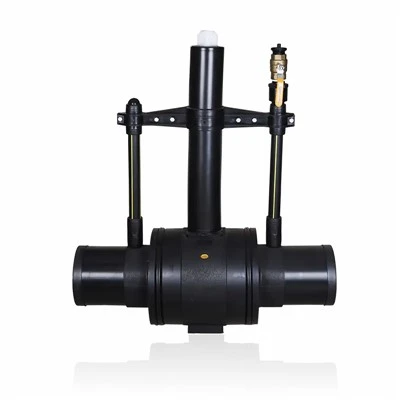
First, let’s start with the basics: what even is a hot melt pipe fitting? For anyone who might be new here, these are the pieces that connect, bend, turn, or end your pipes—they’re made by melting the ends of the pipe and the fitting together, so it’s one solid, seamless joint. No glue, no clamps, just a permanent fusion. That’s why their performance depends entirely on that bond, and pressure rating is the biggest number that tells you how well that bond (and the fitting itself) can handle the water, gas, or whatever’s flowing through it.
Now, the pressure rating itself isn’t just a random number stamped on a box. It’s measured in psi, right? Pounds per square inch. But wait—there’s a catch. A lot of people think “100 psi is 100 psi, no matter what,” but that’s not true. Hot melt fittings have two key factors that change their rating: the material they’re made from, and the temperature of the fluid running through the pipe. I’ll say that again: temperature matters more than most people realize. A fitting that works great for cold water might crumble if you’re running hot water for a shower or a radiator.
Let’s talk materials first. The most common hot melt pipes and fittings are PVC, CPVC, and PEX—wait, no, hold on, hot melt is also used for polypropylene (PP) and polyethylene (PE) too, right? Let’s stick to the big three that most folks deal with. For PVC (polyvinyl chloride) hot melt fittings, the standard cold-water rating is usually around 150 psi. But that’s only when the water is 73 degrees Fahrenheit (room temp). Crank that water up to 140 degrees—like a typical domestic hot water line—and that same PVC fitting’s rating drops to 100 psi. Do you see that? The number you rely on changes just because the heat does. CPVC is a bit sturdier for hot stuff: its cold rating is similar, around 160 psi, and at 180 degrees (that’s hot tub or industrial hot water), it holds at 100 psi. PEX is another one, mostly for cold water lines, with a cold rating of 100 psi, and it drops even lower when heated, like 60 psi at 180 degrees. That’s why you never use PEX hot melt fittings for hot water—most codes won’t allow it anyway.
Then there’s the type of pressure you’re dealing with. It’s not just static pressure (the constant pressure when the water’s not moving). There’s surge pressure too—when a valve slams shut, like when you turn off a faucet fast, that pressure spikes higher than your static rating. A lot of suppliers list the static rating, but good ones will note the surge limit too, which is usually 1.5 times the static rating. For example, a 100 psi static rating can handle up to 150 psi surge. Ignore that, and you might get a blowout when a tenant slams their kitchen faucet at 2 a.m. That’s a costly call-out, trust me—we’ve had customers come to us in a panic because they picked a fitting that couldn’t handle the surge, and we had to rush replacements out.
Wait, I should also mention SDR numbers. That’s another thing you’ll see on the spec sheet: Standard Dimension Ratio. It’s the wall thickness of the pipe or fitting, right? SDR 11 is thicker than SDR 13.5, so a fitting with a lower SDR has a higher pressure rating. That makes sense—thicker walls can hold more pressure. If you’re working on a residential water line, SDR 11 is standard, but if you’re doing a commercial line with higher flow, you might need SDR 9, which has a 160 psi cold rating. Don’t mix up SDRs—we once had a builder who ordered SDR 13.5 fittings for a restaurant’s main water line, and within a month, they were leaking because the wall was too thin for the 120 psi static pressure in the city main. Lesson learned there.
Now, what do these numbers actually mean for your project? Let’s do a real-world example. If you’re doing a home’s cold water line, city static pressure is usually 40-80 psi, plus surge pressure up to 120 psi. So a PVC fitting with a 150 psi cold rating is perfect—plenty of headroom. But if you’re doing a commercial boiler line, where water temp is 160 degrees and static pressure is 120 psi, you need a CPVC fitting with a 100 psi at 160 degrees rating? Wait, no, wait—let me check that. Actually, CPVC at 160 degrees is around 120 psi, right? Yeah, my bad earlier—numbers shift a bit between brands, but the trend is the same. That’s why you can’t just grab a fitting off the shelf; you have to match the rating to your exact conditions.
A lot of people ask me: do I need to go higher than the required pressure? My advice is always “yes, within reason.” It’s better to have a 150 psi cold rating than 100, because you never know when the city pressure spikes, or you add a new appliance that bumps the load. But don’t overdo it—you’ll pay more for a higher-rated fitting that you don’t need. For a residential toilet line, 100 psi is more than enough; paying extra for a 200 psi fitting is just wasting money.
Wait, also, what about underground applications? Hot melt fittings for underground use have a different pressure rating too, because they’re under soil pressure and maybe water pressure from the ground. Most underground PE fittings have a static rating of 100 psi, but when buried, that drops to 80 psi to account for the external load. That’s another thing most people miss—they think a fitting’s rating is the same above and below ground, but it’s not. Soil compaction, shifting ground, even tree roots can add pressure that you don’t see on the surface.
Let’s talk about common mistakes I see as a supplier. First, buying fittings from unbranded sources that don’t list accurate pressure ratings. We’ve had customers bring us a fitting they bought online for half the price, and the stamp on it said “150 psi,” but when we tested it in our lab, it only held 90 psi at 70 degrees. Those no-name fittings skip on wall thickness or material quality to cut costs, so their ratings are fake. Second, ignoring temperature. I can’t tell you how many times someone comes in asking for PVC fittings for a hot water heater line—we have to explain that PVC will warp at 140 degrees, and they need CPVC instead. Third, forgetting surge pressure. A static rating of 100 is great, but if your surge is 150, you’re asking for a leak.
Now, what should you do when you’re picking a hot melt pipe fitting? First, check the local plumbing codes—they’ll usually specify the minimum pressure rating you need for your application. Second, get the exact numbers from your project: static water pressure, maximum water temperature, surge pressure, and whether it’s for above or below ground. Third, match that to the fitting’s rating, and always go a bit higher (like 20-30%) to be safe. Fourth, buy from a reputable supplier, not a random online shop. We test every fitting we sell in our lab before it goes out, so you know the rating is real.
I know this sounds like a lot, but it’s not rocket science. Pressure rating is just the fitting’s way of saying “I can handle X amount of force, at Y temperature, without failing.” The worst thing you can do is brush it off as a trivial spec. We’ve seen jobs go from a quick install to a nightmare flood because someone skipped checking the rating. Just last quarter, a small plumbing company switched to a cheaper supplier for hot melt fittings, and their pipe blew on a third floor apartment, ruining new hardwood floors and a brand new kitchen. They saved $200 on fittings, but paid $8,000 in damages and a bad reputation. That’s the kind of thing we try to help customers avoid.
At the end of the day, I’m not here to sell you the most expensive fitting. I’m here to give you the right one for your job, because happy customers come back, and that’s how we do business. If you’re working on a project and you’re not sure what pressure rating you need—whether it’s residential, commercial, industrial, underground, whatever—just reach out. We can walk you through the numbers, answer your questions, and make sure you get the right fitting so you don’t have to deal with the headaches later. No pressure, just good advice.
Wait, before I wrap this up, let’s clear up one more thing: some people confuse hot melt fittings (fusion fittings) with solvent-weld fittings. Solvent-weld uses glue, and its pressure rating is a bit lower because the bond isn’t as strong as a hot melt fusion. Hot melt fittings’ pressure rating is actually higher because the pipe and fitting are melted into one piece—there’s no joint to fail. That’s one of the biggest benefits of hot melt: the joint is as strong as the pipe itself, so as long as the wall thickness and material are correct, the pressure rating is solid.
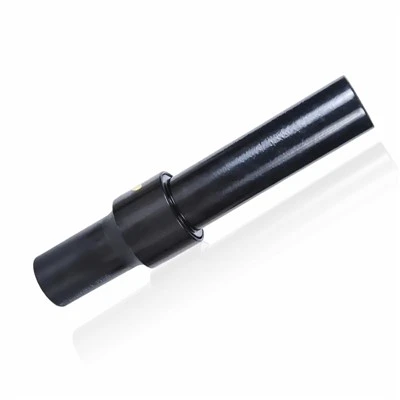
So to sum it all up: pressure rating for hot melt pipe fittings is measured in psi, depends on material and temperature, changes for underground use, accounts for surge pressure, and picking the wrong one can cost you way more than the savings on cheap fittings. Do your homework, check the specs, and don’t hesitate to reach out if you need help. We’re here to make sure your install goes smooth, no leaks, no surprises. If you’re looking for reliable hot melt pipe fittings with verified pressure ratings, hit us up to talk through your project requirements. We can provide samples, clarify specs, and get you the right products for the job.
Steel-plastic Joint References
- Plastics Pipe Institute. (2022). Pressure Rating Criteria for Thermoplastic Pipe and Fittings. Arlington, VA: Plastics Pipe Institute.
- International Association of Plumbing and Mechanical Officials. (2023). Uniform Plumbing Code Chapter 7: Thermoplastic Piping Systems.
- ASTM International. (2021). Standard Specification for Polyethylene (PE) Plastic Pipe, SDR-PR, and Fittings for Pressure Piping (Standard D2737).
- CPVC Fabricators Association. (2022). Heat and Pressure Performance of CPVC Hot Melt Fittings.
Yuyao Aoshi Hydraulic Components Manufacturing Co., Ltd.
As one of the most professional hot melt pipe fittings manufacturers and suppliers in China, we’re featured by quality products and good service. Please rest assured to wholesale hot melt pipe fittings in stock here and get quotation from our factory. Customized orders are welcome.
Address: Huilong village, Zhangting town, Yuyao city, Zhejiang province, China.
E-mail: renxuwei@vip.163.com
WebSite: https://www.jintongtrading.com/
