Hey everyone, it’s [your name here], the owner of a small resin keychain supply business that’s been churning out custom and bulk molds for over 6 years now. If you’re here because you’re new to resin keychain making, or you’re looking to upgrade the molds you’ve been using, I’m gonna cut right to the chase: not all molds are made equal—and picking the wrong one can turn your fun little resin project into a sticky, lumpy mess that’s a total waste of time. I’ve seen it happen to so many hobbyists and even small shop owners I work with, so let’s break down exactly what molds work best for resin keychains, why, and which ones you should run far away from. Resin Keychains
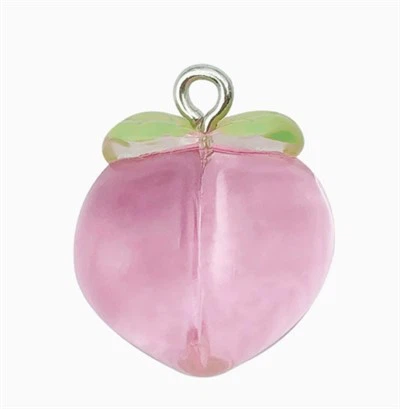
First off, let’s talk about what makes a good resin keychain mold, period. Keychains are small, right? They need crisp details (so your cute little cat ear or retro game controller design doesn’t turn into a blobby mess), they need to release cleanly without sticking, and they’ve got to hold up after multiple pours—because no one wants to replace their mold every 2 uses. Resin is also tricky; some types (like epoxy resin, which is the most popular for keychains) stick to certain materials like glue to paper, so compatibility is non-negotiable. That’s where most people mess up: grabbing a random mold from a craft store that says “works for resin” without checking the details.
Let’s start with the gold standard mold for resin keychains: food-grade silicone molds. Wait, hold on—don’t just grab any silicone mold! I’ve tested silicone from dollar stores and name-brand craft brands, and let me tell you: thick, flexible, platinum-cure silicone is where it’s at. Platinum-cure is different from tin-cure silicone, by the way—tin-cure is cheaper, but it leaches weird chemicals when resin cures, and it gets stiff after a few uses, making it hard to pop out keychains without breaking them. Platinum-cure is smooth, super flexible, and it doesn’t react with epoxy resin at all. That means no foggy keychains, no weird residue left on your designs, and they can handle 50+ pours without tearing.
I always recommend the matte, textured platinum silicone molds specifically made for small craft items. The matte surface is way better for release than super shiny silicone; shiny can make tiny details (like lettering on a “World’s Best Dog Mom” keychain) blur, plus resin can cling a little harder there. For keychains, you want molds that have a slight lip around the top, too— that’s where you’ll poke a hole for the keychain ring later, right? If there’s no lip, you have to drill through the cured resin, which is a pain and can crack your design. Most of the good silicone keychain molds come with built-in keychain holes at the top, so you skip that extra step.
Now, why silicone is the best over other materials. Let’s say someone asks, “Can I use a plastic mold?” Sure, but only if it’s rigid, high-temperature plastic—like polypropylene (PP) plastic, which is used in things like Tupperware. Wait, but plastic molds for keychains? I’ve tried them, and they have one big downside: they’re not flexible. So when resin cures, it expands a tiny little bit, and if the mold’s rigid, that expansion can cause the resin to crack, or the mold to warp after a few uses. Also, rigid plastic molds don’t hold small details as well—you can’t get that sharp edge on a tiny mermaid tail or a mini guitar with a plastic mold like you can with silicone. I only recommend plastic molds for super simple, no-detail keychains, like plain round circles, and even then, they wear out way faster than silicone.
What about resin-specific molds vs. candy molds? A lot of hobbyists grab silicone candy molds, and hey, they work sometimes—but listen, candy molds are made for food, and most of them are tin-cure silicone, not platinum. So if you use a candy mold that’s not labeled safe for resin, you might end up with keychains that have a weird chemical smell, or even tiny imperfections from the silicone breaking down. I get the temptation, though—candy molds have cute shapes! But if you’re gonna use one, make sure it’s 100% platinum-cure, and don’t use it for food later. That’s a rule I tell every customer; cross-contamination is real with silicone molds, so pick one or the other.
Now, let’s talk about the stuff you should never, ever use for resin keychains. I’ve seen people use cardboard molds, and that’s a disaster—resin seeps into cardboard, leaves a fuzzy texture, and it’s impossible to get a clean edge. Glass molds? Wait, glass is rigid, same problem as plastic—no flexibility, resin sticks like glue, and it’s way too heavy for small keychains. Even if you’re making a big mold, glass is not ideal. And don’t even think about using clay or plaster molds—they’re porous, so resin will soak in, and you can reuse them once, max. Total waste of money.
Wait, another thing: mold size and thickness. Keychains are usually 1-3 inches, right? So you don’t need a mold that’s 6 inches big—too much extra space means waste resin. But also, the mold’s walls should be at least 1/8 inch thick. Thin silicone molds tear super easy; I’ve had a $5 thin mold break on my third pour, and that’s just lost money. A good thick platinum silicone mold might cost $15-$20, but it’s gonna last months, so it’s way cheaper in the long run. I sell bulk sets of these, and so many of my repeat customers tell me they’d rather spend a little more on a good mold than replace cheap ones every week.
Oh, and custom molds! A lot of brands want unique keychains—like a custom logo, a team mascot, or even a pet’s face. For that, you need a custom silicone mold, and again, platinum-cure is the way to go. We make custom molds for small businesses all the time, and the trick here is to send a high-resolution image of your design, with clear outlines—no blurry photos. Also, tell us if you want a keychain hole built in, and if you want the mold to have a slight texture for better release. We test every custom mold we make before sending it out, so we know it’s gonna release clean every time.
Wait, let’s throw in a quick pro tip I’ve learned after years of making these: once you get your mold, don’t wash it with soap the first time. Soap can leave a residue that makes resin stick, especially if it’s a new silicone mold. Just rinse it with warm water, dry it completely, and you’re good to go. And when you pour resin, don’t fill the mold all the way to the top—leave a tiny bit of space so you can add glitter or pigment on top without spilling. Oh, and pop any bubbles with a lighter or a pin before the resin cures; that way, your keychain has no little air holes, which make it look cheap.
Now, let’s address the elephant in the room: budget. I know a lot of new makers are tight on cash, so they might be tempted to grab the cheapest mold on Amazon or Etsy. But here’s the thing: you get what you pay for. A 99-cent silicone mold from a discount store is almost always tin-cure, so it’ll get stiff after 2-3 uses, and resin will stick so bad you’ll have to pry it off with a knife, which breaks the keychain. We stock mid-range platinum silicone molds that work for beginners and pros alike, and they’re way more durable than the cheap stuff. And for bulk orders, we cut deals because we know when you’re making 100 keychains for a pop-up shop, you don’t wanna waste money on bad molds.
Wait, did I miss any other type of mold? Oh, flex glass molds? No, wait, those are actually silicone with a glass base, right? They’re a hybrid, and they work okay, but they’re more expensive than regular silicone, and the glass base can scratch. For keychains, I’d stick to all-silicone. Also, there are rigid resin molds, but again, only for super simple shapes. For example, if you’re making plain square keychains, a rigid plastic mold works, but if you’re making a tiny avocado keychain, silicone is non-negotiable.
Let me wrap this up with what I tell all my new clients: when picking a mold for resin keychains, check 3 things. 1) Is it platinum-cure silicone? If yes, keep it. 2) Is it thick enough (at least 1/8 inch walls)? If yes, keep it. 3) Does it have a built-in keychain hole or an edge to drill a hole without cracking? If yes, keep it. If any of those are no, pass on that mold. It’s not worth the hassle.

If you’re looking for reliable molds—whether you’re a beginner needing starter packs, or a shop owner needing bulk custom molds—we’ve got you. We test every single mold before we ship, so you know it’s gonna work for your resin keychains, no sticky mess, no blobby details, no broken molds after 2 uses. Just send us a message to chat about your order, whether it’s 5 molds for your first batch or 500 custom molds for your brand. We’re here to help you make the best keychains possible, without the headache of bad molds.
Resin Charms References: 1. Resin Obsession. (2023). The Ultimate Guide to Silicone Molds for Resin. 2. Craft Gawker. (2022). Avoiding Common Mold Mistakes for Resin Keychains. 3. Silicone Technologies Association. (2021). Platinum vs. Tin-Cure Silicone for Craft Applications.
Shengzhou Shengteng Accessories Co., Ltd.
With abundant experience, we are one of the most professional resin keychains manufacturers and suppliers in China. We warmly welcome you to wholesale customized resin keychains at competitive price from our factory. For free sample, contact us now.
Address: Room 701, Building 23, Wanyang Innovation City, No. 368 Kaiya Road, Changle Town, Shengzhou City, Shaoxing City, Zhejiang Province
E-mail: 15869252296@163.com
WebSite: https://www.shengtengjewelry.com/
