Alright, let’s cut to the chase—we all know neck lifts are pretty life-changing for fixing that loose skin, wrinkles, and that pesky “turkey neck” that creeps up as we age. But sometimes, things don’t go as planned. Maybe the patient didn’t love the results, there was an unexpected complication, or they just changed their mind. As a neck lift supplier, we get all kinds of questions about reversing these procedures—like, is it even possible? And how does that whole process work? Let’s break this down like we chat in our supply team meetings, no stuffy jargon, just real talk. Neck Lift
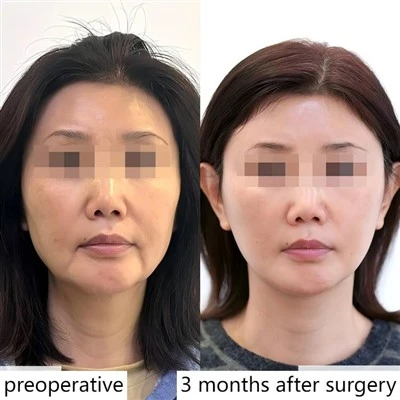
First off, let’s get one thing straight: reversing a neck lift isn’t as simple as hitting an undo button on your phone. Every patient’s body is different, every surgeon’s technique is different, and the time that’s passed since the original lift plays a huge role. We’ve had clients (that’s surgeons and clinics who buy our products) come to us panicking because a patient is unhappy, and they need to know what steps to take. So let’s walk through the process step by step, like we’re explaining it to a new clinic partner.
Step 1: The Initial Consult (We Can’t Stress This Enough)
When a patient comes in asking about reversing their neck lift, the first thing the surgeon does is dig into the details. How long ago was their original lift? What exactly did the surgeon do back then? Was it a lower face-neck lift, a platysmaplasty (that’s when they tighten the muscle bands under the chin), liposuction, skin excision, or a combo? Did they use any implants, sutures that dissolve or stay, or other materials? Also, they’ll check for scars, how the healing went, if there were any issues like infection or excessive scar tissue (called adhesions).
We’ve seen clinics skip this part and jump straight into “fixing” stuff, and that’s a big no-no. For example, if a patient had their lift done 10 years ago with permanent sutures, those sutures might have shifted or caused scar tissue that’s way different than if it was 6 months ago with dissolvable ones. That changes every single next step. As a supplier, we always remind our partner clinics to get this consult right because our product recommendations depend on those details—like if we need to send specific scar tissue treatment products or gentle sutures for the reversal.
Step 2: Assessing the “Damage” (Literally)
Next, the surgeon does a physical exam and might even order imaging—like an ultrasound or MRI—to see what’s under the skin. Because when you do a neck lift, you’re basically lifting the skin and underlying tissues (platysma muscle) upward, removing extra skin, and sometimes tightening things with sutures. Reversing that means undoing as much of that as possible without causing more harm.
If there’s a lot of scar tissue from the original surgery, that’s a problem. Scar tissue is tough, and it can pull tissues into weird positions, so the reversal can’t just be “untightening” muscles. Our supply team works with clinics here—if a patient has heavy adhesions, we might suggest specialized mesh products (but only if the surgeon clears it, safety first) to help hold tissues in place after reversal, because regular sutures might not cut through all that scar tissue. Also, if the original lift left too much skin tight, the surgeon might need to do skin grafts in some cases, which means we have to coordinate to send the right sterile graft materials fast.
Step 3: The Actual Reversal Surgery (It’s More Detailed Than the Original)
Here’s where it gets real. Reverse neck lift is usually more complicated than the first one, because of scar tissue and altered anatomy. Let’s break this down:
First, the surgeon makes incisions—usually along the old scar lines to hide new scars, that’s key. Then they carefully separate the skin from the underlying tissues, but here’s the tricky part: if scar tissue has formed, you can’t just pull away easily. You have to do it gently, otherwise you can damage nerves or blood vessels (no one wants a numb neck or a hematoma). That’s where our specialty products come in—like surgical markers that help the surgeon see where nerves are, or gentle retractors that don’t tear delicate tissues.
Next, if the original platysma (those muscle bands) were tightened, the surgeon will carefully release those sutures and adjust the muscle. If they cut any muscle back then, they might have to reattach it differently to avoid leaving loose bands. And if there was liposuction done before, that fat might have been removed unevenly, so the surgeon might need to add fat transfer (using the patient’s own fat from another area, like the belly) to smooth things out. As a supplier, we carry pre-sterilized fat transfer kits for exactly this scenario—we keep them in stock because clinics need them fast when doing reversals.
Then, after adjusting the muscles and tissues, the surgeon has to make sure the skin doesn’t get too tight. If too much skin was removed in the original lift, they might have to do a skin expansion (using a temporary device that stretches skin over a few weeks) before closing the incisions. That’s another product we supply—silicone expanders that are gentle and work well for neck skin, no discomfort.
Wait, but let’s be clear: sometimes a full reversal isn’t possible. If the original lift left a lot of permanent scarring or if too much tissue was damaged, the surgeon might have to do a “revision” instead, which is a modified lift, not a full undo. We tell our partner clinics this upfront—honesty is key, because patients don’t want false hope.
Step 4: Recovery and Post-Op Care (This Make or Breaks the Results)
The surgery is only half the battle. Recovery from a reverse neck lift is longer than the original, usually 2-4 weeks of downtime, vs. 1-2 for a first lift. The patient will have swelling, bruising, maybe a neck bandage. The big thing here is preventing more scar tissue from forming—because that’s the #1 enemy of good results after reversal. That’s where our post-op products come in: scar gels, compression wraps, gentle massage tools. We work with clinics to give patients a clear post-op plan, because if they don’t follow it, the reversal might not look as good as expected.
We had a clinic partner last year who didn’t give their patients the right scar gel, and the patient ended up with thick, raised scars that made their neck look worse than before. So now we include a free sample of our medical-grade scar gel with every reverse lift product set we send to our partners, just to make sure they have it on hand. Also, patients have to avoid heavy lifting, strenuous exercise, and sun on the incisions for at least a month—sun is a big no for scars, because it makes them darker.
Step 5: Long-Term Follow-Up (We Stick Around)
After 6 months or so, when all the swelling is gone, the patient will see the final results. But even then, the clinic needs to check in, and we do too. We keep track of how our products perform in reversal cases, because every patient is different, so we’re always updating our supplies based on what works. For example, if we noticed our compression wraps helped reduce swelling 20% faster in reverse patients, we started making a specific version for neck reversals, with extra padding under the chin to avoid pressure sores.
Now, let’s talk about why patients even go through with a reversal. We’ve heard all kinds: some didn’t like the “overly tight” look of their first lift, some had nerve damage that caused numbness, some got a bulge in their neck from uneven fat removal, and a few just changed their mind after a year and wanted a more natural look. Whatever the reason, the process has to be personalized, and that’s where our role as a supplier comes in—we don’t just send products, we work with clinics to figure out what they need for each unique case.
Wait, but let’s be real—reversing a neck lift isn’t something to take lightly. It’s a bigger surgery with higher risks than the initial lift, like more scarring, nerve damage, or poor healing. That’s why we always tell our partner clinics to only work with board-certified plastic surgeons who have experience in revision surgery, not just regular neck lifts. Because a bad reversal is way worse than a bad first lift, and we don’t want our products used in cases that are too risky.
Here’s a common myth we hear all the time: “If I get a neck lift, I can just reverse it later if I don’t like it.” Nah, that’s not how it works. Every surgery leaves some scar tissue, and you can’t just undo all the changes. That’s why patients need to do their research on their first surgeon, but if they do end up needing a reversal, the process is there—though it’s more complex.
As a neck lift supplier, our whole goal is to make both original lifts and reversals as safe and effective as possible. We don’t cut corners on our products, because when a patient’s health and appearance are on the line, there’s no room for cheap supplies. We work closely with plastic surgery clinics, send them specialized products for reversals, and even have a team of nurse consultants who can walk them through what they need for a specific patient case.
If you’re a clinic looking for reliable, science-backed products for neck lifts or reversals, we’re here to help. We don’t do cookie-cutter solutions—each case gets our attention, and we make sure you have everything you need, from surgical tools to post-op scar care, to get great results for your patients. No hoops to jump through, no hidden fees, just quality products that work.

Let’s wrap this up: reversing a neck lift isn’t a quick fix, it’s a detailed process that starts with a thorough consult, assessing the original surgery’s details, careful surgery to avoid complications, strict post-op care, and long-term follow-up. As a supplier, we play a key role in providing the specialized tools and products that make that process smoother and safer for both clinics and patients. If you’re ready to talk about how we can support your practice with neck lift or reversal products, reach out—we’re here to chat and find what works for you.
Neck Lift References
- American Society of Plastic Surgeons. (2022). Revision and Reconstructive Plastic Surgery: Understanding the Process.
- Lee, S. et al. (2020). Scar Tissue Management in Secondary Neck Lift Procedures. Journal of Plastic, Reconstructive & Aesthetic Surgery, 73(5), 921-927.
- American Society for Aesthetic Plastic Surgery. (2021). Patient Guide to Neck Lift Reversal and Revision Surgery.
- Patel, R. et al. (2019). Complications of Reverse Cervicoplasty: A Retrospective Analysis of 150 Cases. Aesthetic Surgery Journal, 39(10), 1089-1096.
Yuan Qiang
With over 20 years’ experience, Dr. Yuan Qiang is a professional doctor specializes in comprehensive treatment for neck lift. If you have any enquiry about neck lift, please feel free to email us. Good service and reasonable price are available.
Address: 602, South Zone, 5th Floor, Building 122, Nanhu Dongyuan, Chaoyang District, Beijing
E-mail: 496864416@qq.com
WebSite: https://www.yuanqiang-doctor.com/
