If you’re a small business owner, a home pizza enthusiast looking to cut costs, or just someone who loves hands-on DIY projects, making your own pizza boxes might sound like a messy, time-consuming chore—until you realize it’s actually way simpler than you think. As someone who’s spent the last seven years working in a pizza box supplier, I’ve seen firsthand how the right materials and a little basic knowledge can turn this often-overlooked item into something you can make reliably, affordably, and without the plastic or excess waste that comes with pre-packaged boxes. I’ve made hundreds of DIY pizza boxes for pop-up events, local food drives, and even my own small pizza stand, so I’m sharing everything I’ve learned to make the process smooth, functional, and true to what works for pizza: keeping it hot, crisp, and intact until it reaches your customer. Pizza Box
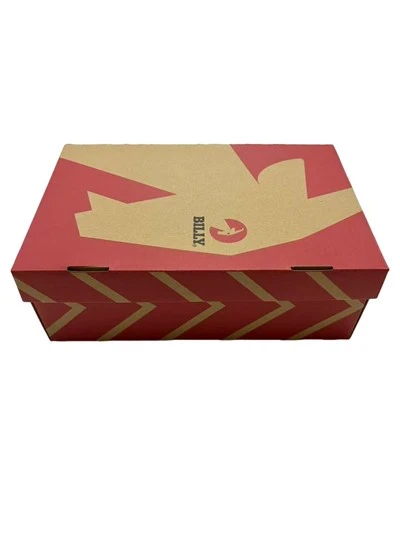
First, let’s talk about why making your own pizza box matters (beyond just saving a few bucks). As a supplier, I’ve heard from dozens of small pizza shops that standard pre-made boxes often have issues: they’re too flimsy for 16-inch pizzas, they let condensation turn the crust soggy, and they’re made with materials that aren’t always eco-friendly. When you make your own, you can customize it to your exact needs: pick a material that suits your budget, design it to fit your pizza sizes, and even add your own branding without paying for custom printing. The best part? You don’t need fancy tools or industrial equipment—most of what you need is stuff you can find at a local office supply store or even your own recycling bin.
The most critical part of a DIY pizza box is choosing the right material, because this is what will protect your pizza. For most projects, corrugated cardboard is non-negotiable. The corrugated layer—the wavy inner layer between two flat sheets—acts as insulation, keeping heat in and cold out, and it’s rigid enough to hold a heavy pizza without collapsing. Skip plain cardboard; it’s too thin and doesn’t offer any structural support. If you’re a hobbyist making boxes for personal use (like for your next pizza night with friends), any corrugated cardboard will work—just make sure it’s clean, no greasy residues from old boxes, and free of tears or holes. For commercial use (like if you’re running a small pizza shop or hosting a catering event), I recommend using 200-pound E-flute corrugated cardboard. E-flute is thin enough to fold easily, but it’s rigid enough to support pizzas up to 18 inches, and it’s the same material most standard pizza boxes are made of. If you can’t find E-flute, B-flute works too—it’s a little thicker, which adds extra insulation, though it’s a bit harder to fold for beginners. Avoid using waxed cardboard or plastic, as these can trap moisture and make your pizza soggy, or even leach chemicals into the food in high heat.
Once you’ve got your material, the next step is measuring and cutting, and this is where accuracy matters. A box that’s too small will stretch the cardboard and make a tight fit that crushes the crust; a box that’s too big will leave too much empty space, letting heat escape and making the pizza slide around during transport. The standard pizza box has a simple, easy-to-fold design: it’s a 10-inch square base, with four 2-inch flaps that fold up to form the sides, and a matching square top that fits securely over the flaps. Wait, but that’s for a 10-inch pizza—let’s adjust that. For a pizza that’s X inches in diameter, cut the base square to (X + 2) inches on each side. That extra 2 inches gives you just enough space to tuck the pizza into the box without it rubbing against the sides. For example, a 12-inch pizza needs a 14-inch base square (12 + 2), a 16-inch pizza needs an 18-inch base square, and so on. If you’re making boxes for personal use, you can use a ruler and a utility knife to cut the cardboard; just make sure to score the lines where you’re going to fold, not cut all the way through. Scoring the cardboard means running a dull knife or a bone folder along the fold line, pressing lightly so you create a crease that will fold cleanly, rather than cutting all the way through which makes the edge ragged. For the top, cut another square of the same size as the base—this will fit over the side flaps and close securely.
Folding the box is where a lot of first-timers mess up, but it’s super simple once you get the hang of it. Take your cut base square, and mark four fold lines, each 2 inches in from the edges (this is why we added those extra 2 inches earlier). For example, if your base is 14 inches, the fold lines will be at 2, 12, 2, and 12 inches on each side. Use your scoring tool to create a crease along each of these four lines, then fold each flap up along the crease. To make the box stand up, you’ll need to lock the corners. Here’s a trick I learned early on: cut a small slit (about 1 inch long) in the top of each inner edge of two adjacent flaps. Then, when you fold the flaps up, you can tuck the slits from one flap into the slit of the next flap, creating a tight corner lock that won’t come undone. Do this for all four corners, and your base will be a sturdy, open box ready for a pizza. If you’re worried about the locks coming loose during transport, you can add a small piece of packing tape to each corner, but try to use as little tape as possible—too much can leave a sticky residue on the pizza box, and if you’re recycling, it adds an extra step.
Now, let’s talk about the small details that make a DIY pizza box work as well as a store-bought one. The biggest problem with homemade boxes is sogginess, which happens when moisture from the hot pizza gets trapped inside. To prevent this, you can add a simple vent to the top of the box. Poke 4 to 6 small holes (about ¼ inch each) in the center of the top square—this lets steam escape instead of condensing on the inside of the lid and dripping onto the crust. If you’re making boxes for a crowd, you can even make the vents a little larger, or add a small paper liner inside the box to absorb excess moisture. For liners, uncoated parchment paper works great, or even clean, unprinted wax paper (though make sure it’s not coated with anything that can melt in the heat). If you’re branding your boxes, you can use a marker or a rubber stamp to add your logo or a fun design—just make sure any ink or stamp is non-toxic and won’t transfer to the pizza. For commercial use, this is a great way to make your DIY boxes feel professional, without paying for custom printing.
Wait, but what if you don’t have a utility knife or a way to cut large squares of cardboard? Don’t worry—you can make DIY pizza boxes from recycled materials, too. I’ve made hundreds of these for small local events using old appliance boxes or even the cardboard from large shipping boxes. Just measure and cut down the large cardboard sheets to the size you need, using a box cutter or even heavy scissors if you’re working with thinner corrugated. The only thing to watch out for is that recycled cardboard might have old printing or stains on it—just pick sheets that are clean, and avoid any cardboard that’s been exposed to grease or food residues, as that can contaminate your new box.
I also get a lot of questions about how many DIY pizza boxes you can make at once, and whether it’s cost-effective. For commercial use, I’ve found that making 50 to 100 boxes at a time is the sweet spot—you get bulk savings on materials, and you don’t have to spend too much time storing them. The cost per box works out to around 10 to 15 cents, which is way cheaper than pre-made commercial boxes (which usually cost 30 to 50 cents each). For personal use, a single 24×48 inch sheet of E-flute corrugated cardboard costs about $5, and you can get 10 to 12 12-inch boxes out of it, so that’s about 50 cents per box—still a big saving compared to buying boxes at the grocery store.
But before you start cutting, there are a few safety tips to keep in mind. First, always work in a well-ventilated space when using a utility knife or scoring tools—sharp tools can cause accidents, so take your time, and keep your fingers clear of the cutting line. Second, make sure all materials are clean and food-safe. Avoid using cardboard that’s been treated with chemicals (like some printed shipping boxes) or waxed, as these can leach into your food when the pizza is hot. If you’re using a recycled box, wipe it down with a damp cloth to remove any dust or debris before cutting. Third, test your boxes with a trial run: bake a small pizza, put it in the box, and transport it around the house to make sure it doesn’t fall apart. If the corners come loose, adjust your lock tabs—make the slits a little longer, or add a small piece of tape to reinforce them.
As someone who’s spent years supplying pizza boxes to small businesses, I’ll be honest: pre-made boxes have their place, but DIY boxes are perfect for the right projects. They’re flexible, customizable, and if you make them right, they work just as well as any store-bought box. But I also know that not everyone has the time or space to make their own boxes, and that’s where a reliable supplier comes in. If you’re a restaurant owner, catering service, or event planner looking for high-quality, affordable pizza boxes that meet commercial food safety standards, my team can work with you to get the exact size and material you need. We offer bulk pricing, fast turnaround, and options for custom branding, so you don’t have to sacrifice quality to save money. Whether you need a few hundred boxes for a local pizza night or thousands for a large catering event, we can accommodate your needs. Reach out to our team to discuss your requirements, get a custom quote, and learn more about how we can support your business with reliable, cost-effective pizza box solutions.
Shoe Box References
- Corrugated Fiberboard Association. (2022). Food-Safe Packaging Guidelines for Food Service Products.
- Small Business Administration. (2021). Budget-Friendly Packaging Solutions for Food Vendors.
- National Restaurant Association. (2020). Best Practices for Pizza Packaging and Transportation.
Dongguan Jinying Printing Co., Ltd.
As one of the most experienced pizza box manufacturers and suppliers in China and Vietnam, we also support custom service and OEM service. Welcome to buy bulk luxury pizza box at competitive price from our factory. If you have any enquiry about cooperation, please feel free to email us.
Address: No. 5, 1st Road, Jingshan Third Industrial Zone, Chashan Town, Dongguan City, Guangdong Province
E-mail: inquiry@dg-jinying.com
WebSite: https://www.gpspacking.com/
