If you work in industries like aerospace, automotive, or electronics, you’ve probably used EAB tape at some point. EAB—Expanded Acrylic Butyl—tape is a game-changer for sealing, bonding, and vibration damping, right? It’s flexible, sticks like crazy, and holds up way better than old-school tapes in extreme temps. But here’s the thing: most people don’t realize that even top-tier EAB tape will lose its superpowers if you store it wrong. I’ve seen it happen so many times—customers bring in rolls that were sitting in a garage or a hot warehouse for a few months, and the adhesive’s all dried out or gone gummy. As someone who’s been supplying EAB tape for over a decade, I’ve learned a thing or two about keeping it in perfect shape before it even hits the job site. Let’s break down what actually works, no fancy jargon, just real advice that saves you from wasting money and downtime. EAB Tape

First off, let’s talk about the biggest mistakes I see every day. A lot of people stash EAB tape in places that are either too hot or too cold, or just leave it sitting out on a shelf with no protection. Wait, you might be thinking—“It’s tape, how hard can it be?” But EAB is a pressure-sensitive adhesive (PSA), and PSAs are finicky. They’re made of long polymer chains that keep the adhesive tacky. If those chains get exposed to too much heat, they break down, and the tape stops sticking. Too much cold, and the adhesive gets brittle, so it cracks when you try to unroll it. Then there’s moisture—if the rolls get damp, the adhesive can mold or separate from the backing, which is a total waste. I once had a customer who stored 50 rolls in a leaky shed; half of them were ruined, and he had to rush a reorder that cost him extra for expedited shipping. Avoiding those basics is half the battle.
Let’s start with temperature control. The sweet spot for storing EAB tape is between 50°F and 70°F (10°C to 21°C). That’s not some random number I pulled out of thin air—this is the standard from adhesive manufacturers, and it works. If you’re working in a warehouse that’s only heated in winter, don’t leave tape rolls right next to a heater or a loading dock door. Even a few days of being in 90°F heat can soften the adhesive so bad it oozes out of the roll and sticks to the packaging. On the flip side, if you’re in a cold climate, don’t stash tape in an unheated garage during the winter. I’ve heard people put it in their car trunk too—big no. Trunk temps can swing from 20°F in winter to 120°F in summer, which is way too extreme for EAB tape. If you get a roll that’s been stored in cold, let it warm up to room temp for at least 24 hours before you use it. Trying to unroll cold tape will just result in messy breaks, trust me.
Next, humidity. EAB tape hates high humidity—over 60% is a red flag. Moisture can get between the adhesive and the carrier backing (usually a film or paper) and break the bond. It can also cause mold or mildew on the edges of the roll, which ruins the edge seal. Low humidity isn’t great either, especially if it’s dry heat. That can make the adhesive dry out and get brittle. So what do you do if your workspace has wonky humidity? A lot of my customers use desiccant packs—you know, those little paper bags with silica gel you get in shoe boxes or electronics packaging. Toss a couple in the storage bin with your tape rolls, and they’ll soak up excess moisture. Just make sure you don’t seal the bin airtight? Wait, no—wait, actually, you want to keep it sealed enough to lock in the humidity around 40-50%, so airtight containers work best for long-term storage. If you’re in a super dry area, you can put a small bowl of water (not too close to the tape, obviously) to add a little moisture back. I’ve seen this work way better than people think.
Then there’s how you actually handle and stack the rolls. EAB tape rolls are pretty sturdy, but if you stack them too high or put heavy stuff on top, you’ll flatten the roll, which causes the adhesive to stick to the layers above or below it. It’s like leaving a rubber band stretched out for too long—it loses its tension. I recommend storing rolls standing up, like books on a shelf, not lying flat. If you have to stack them (say, you have limited shelf space), only stack 2 or 3 high max, and put the smallest, lightest rolls on top. Also, don’t unroll a part of the tape and leave it hanging around. If you need to cut a piece, do it right when you’re going to use it, and cover the exposed adhesive immediately with the liner (the protective paper or film that comes on the tape). That exposed adhesive will pick up dust and dirt, which makes it way less effective when you apply it. I’ve had customers bring in tape that had been unrolled and left on a workbench for a week—they’d complain it wasn’t sticking, and it was just covered in tiny wood shavings or dust.
Wait, what about the packaging the tape comes in? Most EAB tape rolls have a sealed plastic bag or wrapper, right? Don’t throw that away when you unbox the shipment! The plastic is a barrier that keeps moisture and temperature swings out. If you’re not using a roll right away, put it back in the original plastic bag, seal it up, and then store it as we talked about. I know it’s tempting to recycle the plastic to cut down on waste, but that plastic is there to protect the tape. I once had a customer who did that for a year, and his tape was half as tacky as it should be. The plastic wrapper wasn’t just extra packaging—it’s part of the storage system.
Another thing people overlook is light. EAB tape is resistant to UV light once it’s applied, but when it’s stored, too much direct sunlight or artificial light (especially fluorescent, which has UV rays) can break down the adhesive over time. So don’t store tape rolls near a window or under a bright overhead light. I’ve seen warehouses that leave rolls stacked by a loading dock with big windows; after 6 months, the tape’s edges turned brown and the adhesive was shot. Store them in a dark, cool closet or a storage bin in the back of the warehouse, away from any direct light.
Now, let’s talk about how long you can store EAB tape before it goes bad. Most manufacturers say a 12-month shelf life from the production date if stored correctly. But that doesn’t mean it’s suddenly useless after 12 months— it’s just that the adhesive’s properties start to degrade slowly. If you store it right, I’ve had rolls last 18 or even 24 months without issues. The key is to rotate your stock too—first in, first out. Don’t pull the newest shipment first; use the oldest rolls you have first. That way, you’re not stuck with expired (or degraded) tape when you need it. I can’t tell you how many times a customer has told me, “I have this roll from last year, can I use it?” As long as it was stored right, yeah, it should work. But if it’s been sitting in a hot attic, no way.
What if you have some tape that’s already been stored wrong? How do you check if it’s still good? Simple test: unroll a small piece (a few inches) and stick it to a clean piece of metal or glass, then peel it off quickly. If the adhesive leaves a residue on both the tape and the surface, or if the tape is super brittle and breaks when you unroll it, it’s gone. If it peels off clean, no residue, and has good tack, it’s still fine. That quick test saves you from wasting time on bad tape.
Let’s circle back to why this matters for you, as someone buying EAB tape. Badly stored tape costs you money—you have to reorder, you have delays on jobs, and sometimes you have to do rework because the tape didn’t hold. As a supplier, I’ve seen this firsthand. When customers follow these storage tips, they come back and say their tape works better, their jobs go smoother. It’s not complicated, it’s just consistent.
Wait, let’s clear up a common myth: some people think putting tape in the freezer is a good way to store it long-term. No, that’s not right. Freezing can make the adhesive get too rigid, and when you take it out, condensation builds up on the roll, which causes moisture issues. So skip the freezer. And don’t store tape in food refrigerators either— the humidity is too high, and you don’t want tape sticking to your lunch, trust me.
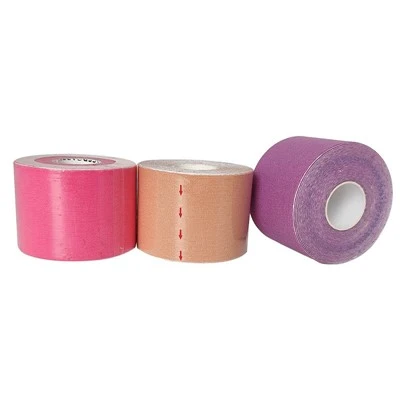
So to wrap this up, the steps are easy: keep it at 50-70°F, keep humidity 40-60%, store rolls standing up, use original packaging, keep it dark, rotate your stock, and test before use. I’ve been supplying EAB tape for years, and following these steps is what keeps my customers coming back. If you have questions about the right storage for your specific EAB tape, or you need a reliable supply, don’t hesitate to reach out. We’re here to help you get the most out of every roll.
Liquid Bandage References
- Adhesive & Sealant Industry. (2022). "Proper Storage Guidelines for Pressure-Sensitive Adhesive Tapes."
- Aerospace Materials Specification (AMS). (2021). "Storage and Handling of Expanded Acrylic Butyl Tapes for Aircraft Applications."
- International Organization for Standardization (ISO). (2020). "Environmental Conditions for Storage of Adhesive Products."
L WELL Medtech Solutions SDN. BHD.
L WELL Medtech Solutions SDN. BHD. is one of the leading eab tape manufacturers and suppliers in Malaysia. we warmly welcome you to wholesale high quality eab tape at competitive price from our factory. Contact us for custom service and free sample.
Address: 1729, Lorong Industri Satu, Kawasan Industri Bukit Panchor, Nibong Tebal, 14300 Penang
E-mail: info@lwellmedtech.com
WebSite: https://www.lwellmedtech.com/
