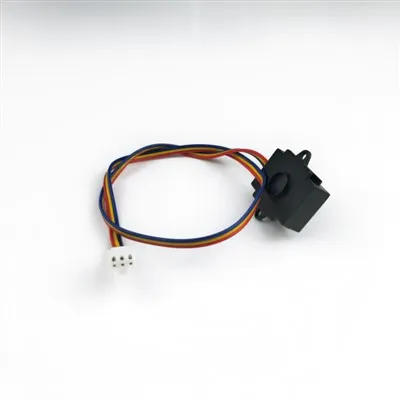
When it comes to precision fluid measurement in various industrial and commercial applications, ultrasonic flow sensors have become a top choice. As a supplier of ultrasonic flow sensors, I’ve witnessed firsthand how these devices can transform the way we monitor and manage fluid flow. However, to ensure optimal performance and accurate readings, proper installation is crucial. In this blog, I’ll share some key installation considerations for ultrasonic flow sensors based on my experience in the industry. Ultrasonic Flow Sensor
Understanding the Basics of Ultrasonic Flow Sensing
Before delving into the installation details, it’s essential to have a basic understanding of how ultrasonic flow sensors work. There are two main types: transit-time and Doppler. Transit-time ultrasonic flow sensors measure the difference in time it takes for ultrasonic waves to travel upstream and downstream in a fluid. The speed of the fluid can be calculated based on this time difference. Doppler sensors, on the other hand, detect the frequency shift of ultrasonic waves reflected off particles or bubbles in the fluid to determine the flow velocity.
Site Selection
The first step in installing an ultrasonic flow sensor is choosing the right site. The location should meet the following criteria:
- Straight Pipe Run: A straight pipe section upstream and downstream of the sensor is crucial for accurate measurements. For transit-time sensors, a minimum of 10 pipe diameters of straight pipe upstream and 5 pipe diameters downstream is recommended. Doppler sensors typically require 5 pipe diameters upstream and 3 pipe diameters downstream. This straight pipe run allows the fluid to have a fully developed flow profile, reducing turbulence and ensuring accurate readings.
- Avoidance of Disturbances: The installation site should be away from sources of turbulence, such as valves, pumps, elbows, and tees. These disturbances can disrupt the flow profile and affect the accuracy of the sensor. If it’s not possible to avoid these disturbances, flow conditioners can be installed to help straighten the flow before it reaches the sensor.
- Accessibility: The sensor should be installed in a location that is easily accessible for maintenance and calibration. This includes ensuring that there is enough space around the sensor for installation and removal, as well as access to pipes and wiring.
Pipe Material and Condition
The material and condition of the pipe can also have a significant impact on the performance of the ultrasonic flow sensor.
- Pipe Material: Ultrasonic waves propagate differently through different pipe materials. For example, metal pipes are generally better transmitters of ultrasonic waves compared to plastic pipes. Some sensors are designed specifically for certain pipe materials, so it’s important to choose a sensor that is compatible with the pipe material at the installation site.
- Pipe Condition: The inner surface of the pipe should be clean and free of rust, scale, or other deposits. These deposits can absorb or scatter ultrasonic waves, reducing the sensor’s signal strength and accuracy. If the pipe is dirty or corroded, it may be necessary to clean or replace the pipe before installing the sensor.
Sensor Configuration
Once the site and pipe have been evaluated, the next step is to configure the ultrasonic flow sensor for installation.
- Sensor Size and Type: The size and type of the sensor should be selected based on the pipe diameter, flow rate range, and the properties of the fluid being measured. Using the wrong size or type of sensor can result in inaccurate readings or poor performance.
- Mounting Method: There are two main mounting methods for ultrasonic flow sensors: clamp-on and in-line. Clamp-on sensors are non-invasive and can be easily installed on the outside of the pipe without the need for pipe cutting or drilling. In-line sensors, on the other hand, require the pipe to be cut and the sensor to be inserted into the pipeline. Clamp-on sensors are generally more suitable for temporary or retrofit installations, while in-line sensors offer higher accuracy and reliability for permanent installations.
Installation Process
The installation process for ultrasonic flow sensors can vary depending on the type of sensor and the mounting method. Here are some general guidelines:
- Clamp-On Sensors:
- Clean the Pipe Surface: Before mounting the sensors, clean the pipe surface at the installation site to ensure good contact between the sensor and the pipe.
- Mark the Sensor Locations: Use the sensor manufacturer’s guidelines to mark the locations where the sensors should be mounted on the pipe. The spacing between the sensors is crucial for accurate measurements.
- Apply Couplant: Apply a thin layer of couplant to the sensor faces to improve the transmission of ultrasonic waves between the sensor and the pipe.
- Mount the Sensors: Secure the sensors to the pipe using the mounting brackets provided. Make sure the sensors are properly aligned and tightened to ensure good contact with the pipe.
- Connect the Wiring: Connect the sensor wiring to the transmitter or control unit according to the manufacturer’s instructions.
- In-Line Sensors:
- Cut the Pipe: Cut the pipe at the installation site to make room for the in-line sensor.
- Install the Flanges: If the sensor is flange-mounted, install the flanges on the pipe ends and align them properly.
- Insert the Sensor: Insert the in-line sensor into the pipe and align it with the flanges.
- Tighten the Bolts: Install the bolts and nuts and tighten them to the recommended torque value to ensure a leak-free connection.
- Connect the Wiring: Connect the sensor wiring to the transmitter or control unit as per the manufacturer’s instructions.
Calibration and Testing
After the sensor has been installed, it’s important to calibrate and test the system to ensure accurate readings.
- Calibration: Most ultrasonic flow sensors need to be calibrated before use. Calibration involves comparing the sensor’s readings to a known standard flow rate. This can be done using a flow calibration rig or by performing a field calibration using a reference flow meter.
- Testing: Once the sensor has been calibrated, test the system to ensure that it is working properly. This includes checking for any leaks, verifying the sensor’s signal strength, and comparing the readings to the expected flow rate.
Maintenance and Troubleshooting
Proper maintenance is essential for the long-term performance of ultrasonic flow sensors.
- Regular Inspections: Conduct regular inspections of the sensor and the installation site to check for any signs of damage, corrosion, or loose connections.
- Cleaning: Keep the sensor and the pipe surface clean to ensure good signal transmission. If necessary, clean the sensor faces and the pipe surface using a suitable cleaning agent.
- Troubleshooting: If the sensor is not providing accurate readings or is experiencing other problems, refer to the manufacturer’s troubleshooting guide. Common problems include poor signal strength, incorrect calibration, and interference from external sources.
Conclusion
Optical Level Sensor Installing an ultrasonic flow sensor requires careful planning and attention to detail. By considering the site selection, pipe material and condition, sensor configuration, installation process, calibration, and maintenance, you can ensure that your ultrasonic flow sensor provides accurate and reliable flow measurements. As a supplier of ultrasonic flow sensors, I’m here to help you with every step of the process. Whether you have questions about installation, need advice on sensor selection, or require technical support, don’t hesitate to reach out. Let’s work together to find the best solution for your fluid measurement needs.
References
- "Ultrasonic Flow Meter Handbook", Third Edition, by Krohne Messtechnik GmbH
- "Flow Measurement Engineering Handbook", Fourth Edition, by Richard W. Miller
Shenzhen Fineherc Technology Co., Ltd.
As one of the most experienced ultrasonic flow sensor suppliers in China, we’re featured by quality products and low price. Please feel free to buy discount ultrasonic flow sensor made in China here from our factory. Welcome to view our website for more information.
Address: 5th Floor, Building D, No. 39, Keji East Road, Torch Development Zone, Zhongshan City,China
E-mail: fineherc@hotmail.com
WebSite: https://www.fineherc.com/
