Hey there! I’m a supplier of rubber bellows, and I often get asked about the moisture – resistance properties of these nifty little products. So, I thought I’d sit down and write this blog to share my knowledge on the topic. Rubber Bellows
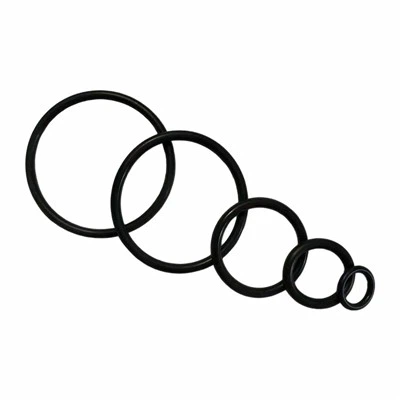
First off, let’s talk about what rubber bellows are. They’re basically flexible parts made from rubber, which can be shaped like accordions. You’ll find them in all sorts of places, like in cars, machinery, and even some household appliances. Their job is to protect sensitive components from dirt, dust, and, you guessed it, moisture.
Now, onto the main event: the moisture – resistance properties of rubber bellows. Rubber, by nature, has some pretty good water – repelling abilities. Most types of rubber used in bellows, like neoprene and EPDM (ethylene propylene diene monomer), have a low affinity for water. That means water doesn’t just soak into the rubber easily.
Neoprene is a fantastic choice when it comes to moisture resistance. It was developed in the 1930s and has been a go – to rubber for many applications ever since. It forms a tight barrier against moisture. Even when it’s exposed to water for extended periods, it doesn’t swell up or lose its strength quickly. This is because of its chemical structure, which is resistant to water molecules. If you’ve got a rubber bellows made of neoprene, it can handle wet conditions, whether it’s from rain, humidity, or even some splashes from liquids.
EPDM is another great option. It’s known for its excellent resistance to environmental factors, and moisture is no exception. EPDM rubber bellows can withstand a wide range of temperatures and still keep moisture out. It’s often used in outdoor applications where it might be exposed to rain, snow, and high humidity. In fact, EPDM has a very low water absorption rate, which means that very little water can actually penetrate the rubber. This makes it ideal for protecting things like electrical connections or mechanical parts that could be damaged by moisture.
But it’s not just the type of rubber that matters. The manufacturing process also plays a huge role in the moisture – resistance of rubber bellows. A well – made bellows will have a smooth surface finish. A smooth surface reduces the chances of water droplets or moisture getting trapped on the rubber. During production, the rubber is often vulcanized. This process makes the rubber stronger and more resistant to various factors, including moisture. Vulcanization creates cross – links between the rubber molecules, which make it harder for water to seep through.
Another aspect of the production process is the design of the bellows. A good design ensures that there are no weak spots where moisture could enter. For example, the folds in the bellows should be uniform and well – sealed. If there are gaps or uneven folds, moisture can find its way in and cause problems.
Now, let’s think about some real – world scenarios. In the automotive industry, rubber bellows are used to protect things like CV joints (constant velocity joints). These joints are crucial for a car’s drivetrain, and moisture can cause them to rust and fail. Rubber bellows made from moisture – resistant rubber keep water out, ensuring that the CV joints stay in good working condition for a long time.
In industrial settings, machinery is often exposed to moisture from various sources, like cooling systems or humid environments. Rubber bellows on this machinery protect the moving parts from corrosion and other moisture – related damage. This not only extends the lifespan of the machinery but also reduces maintenance costs.
In plumbing, rubber bellows can be used to provide a flexible connection between pipes. Here, they need to have excellent moisture – resistance because they’re constantly in contact with water. A bellows that can withstand moisture will prevent leaks and ensure a reliable plumbing system.
However, it’s important to note that even the most moisture – resistant rubber bellows have their limits. If they’re exposed to extremely harsh conditions, such as continuous submersion in saltwater or strong chemical solutions, their performance might degrade over time. Saltwater can be particularly corrosive, and certain chemicals can react with the rubber, reducing its moisture – resistance.
Regular inspections are a must. You should check the rubber bellows for any signs of wear, damage, or degradation. If you notice any cracks, tears, or signs of swelling, it’s a good idea to replace the bellows right away. This will help maintain the moisture – protection of the components they’re guarding.
I know I’ve been talking a lot about the technical stuff, but I also want to mention why my company’s rubber bellows are great. We’ve been in the business for a long time, and we’ve got the experience and expertise to make high – quality, moisture – resistant rubber bellows. We use the best materials and follow strict manufacturing processes to ensure that our bellows meet the highest standards.
Whether you need rubber bellows for a small DIY project or a large – scale industrial application, we can help. Our products are tested to withstand different levels of moisture and environmental conditions. We can also customize the bellows to fit your specific needs.
If you’re looking for reliable moisture – resistant rubber bellows, I’d love to talk to you. Just get in touch with us to start the procurement process and discuss your requirements. We’re here to make sure you get the right product for your situation.

So, to sum it all up, rubber bellows have great moisture – resistance properties, thanks to the type of rubber used, the manufacturing process, and good design. But like anything, they need proper care and maintenance. And if you need a top – notch supply of these products, don’t hesitate to reach out.
Silicone Caps References:
- "Handbook of Rubber Technology"
- "Rubber Materials and Their Applications"
Haining Chaoyue Seals Co., Ltd.
As one of the most professional rubber bellows manufacturers and suppliers in China, we offer a wide range of products with superior quality. Please feel free to wholesale high quality rubber bellows made in China here from our factory. Also, custom service is available.
Address: Building 9, 158 Lianhong Road, Yuanhua Town, Jiaxing, Zhejiang, China.
E-mail: chaoyue@cyseals.com
WebSite: https://www.hncyseal.com/
