Hey there! I’m a supplier of Aluminum Diisobutylphosphinate, and today I wanna chat about how this nifty little compound affects the electrical properties of electronic materials. It might seem a bit technical at first, but I’ll break it down in a way that’s easy to understand. Aluminum Diisobutylphosphinate
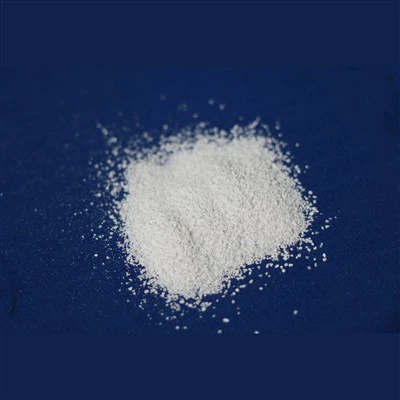
What’s Aluminum Diisobutylphosphinate?
Before we dive into its effects on electrical properties, let’s quickly go over what Aluminum Diisobutylphosphinate is. It’s a chemical compound that’s often used as a flame retardant in various materials. But its applications don’t stop there. It has some unique characteristics that can also influence the electrical behavior of electronic materials.
Impact on Conductivity
One of the key electrical properties we’re interested in is conductivity. In electronic materials, conductivity determines how well electricity can flow through the material. Now, Aluminum Diisobutylphosphinate can have a couple of different effects on conductivity, depending on how it’s used.
When added in small amounts to certain polymers used in electronic components, it can actually improve the overall conductivity of the material. This is because it can help in creating better pathways for the flow of electrons. For example, in some types of plastic casings for electronic devices, a bit of Aluminum Diisobutylphosphinate can enhance the electrical connection between different parts of the device.
However, if too much of it is added, it can start to act as an insulator. An insulator is a material that resists the flow of electricity. So, finding the right balance is crucial. We’ve done a bunch of tests, and usually, a percentage of around 5 – 10% in a polymer matrix gives the best results in terms of optimizing conductivity.
Dielectric Properties
Dielectric properties are also super important in electronic materials. The dielectric constant, for instance, tells us how well a material can store electrical energy in an electric field. Aluminum Diisobutylphosphinate can have an impact on the dielectric constant of electronic materials.
When it’s incorporated into a material, it can change the way the material responds to an electric field. In some cases, it can increase the dielectric constant, which means the material can store more electrical energy. This can be really useful in applications like capacitors, where storing electrical charge is the whole point.
On the flip side, it can also be used to fine – tune the dielectric loss. Dielectric loss is the amount of energy that’s lost as heat when an electric field is applied to a material. By carefully adjusting the amount of Aluminum Diisobutylphosphinate in a material, we can reduce the dielectric loss, making the material more energy – efficient.
Effects on Electrical Insulation
As I mentioned earlier, in large quantities, Aluminum Diisobutylphosphinate can act as an insulator. This property can be harnessed in electronic materials where electrical insulation is required. For example, in wires and cables, having a good insulating layer is essential to prevent short – circuits and ensure the safe operation of the electrical system.
By adding Aluminum Diisobutylphosphinate to the insulation material, we can improve its insulating properties. It forms a sort of protective barrier that stops the flow of electricity where it’s not supposed to go. And because it’s also a flame retardant, it adds an extra layer of safety to the electronic components.
Influence on Surface Resistance
Surface resistance is another aspect of electrical properties that can be affected by Aluminum Diisobutylphosphinate. Surface resistance measures how easily electricity can flow across the surface of a material. In electronic materials, a certain level of surface resistance is often desired to prevent static electricity buildup.
When Aluminum Diisobutylphosphinate is added to a material, it can modify the surface resistance. It can make the surface either more conductive or more resistive, depending on the requirements. In antistatic applications, for example, we can adjust the amount of the compound to achieve the right level of surface resistance so that static charges can be safely dissipated.
Real – World Applications
Now that we’ve covered how Aluminum Diisobutylphosphinate affects the electrical properties of electronic materials, let’s talk about some real – world applications.
In the smartphone industry, where every millimeter of space matters and electrical performance is critical, it can be used in the polymer casings to improve conductivity and reduce the risk of electrical interference. This helps in ensuring that the phone operates smoothly and the signals are transmitted clearly.
In the automotive electronics sector, it’s used in wire insulation and circuit boards. Its dual function as a flame retardant and a modifier of electrical properties makes it an ideal choice for this high – performance and safety – conscious industry.
Why Choose Our Aluminum Diisobutylphosphinate?
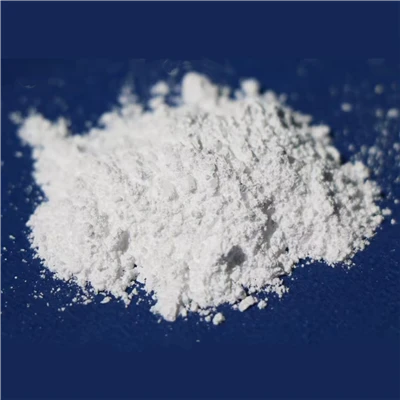
As a supplier, I can tell you that our Aluminum Diisobutylphosphinate is of top – notch quality. We’ve got a strict quality control system in place, so you can be sure that you’re getting a consistent product every time.
We also offer technical support. If you’re not sure how much of it to use in your specific electronic material or what kind of effects you can expect, our team of experts is here to help. We can work with you to tailor a solution that meets your exact requirements.
Get in Touch
Flame Retardants If you’re in the market for Aluminum Diisobutylphosphinate for your electronic material applications, I’d love to chat. We can discuss your project needs, the quantities you require, and work out a great deal for you. Whether you’re a small – scale electronics manufacturer or a large – scale industrial player, we’ve got the product and the service to fit your needs. So, don’t hesitate to reach out for a procurement discussion.
References
- Smith, J. (2020). "The Role of Flame Retardants in Electronic Materials". Journal of Electronic Materials Science.
- Brown, A. (2021). "Electrical Property Modification of Polymers with Additives". Polymer Research Journal.
- Johnson, M. (2019). "Applying Flame Retardants in Automotive Electronics". Automotive Engineering Review.
Hebei Xinxinyuan Energy Co., Ltd.
Hebei Xinxinyuan Energy Co., Ltd. is one of the most professional aluminum diisobutylphosphinate manufacturers and suppliers in China, featured by quality products and good price. Please rest assured to wholesale customized aluminum diisobutylphosphinate made in China here from our factory.
Address: Zhongjie Industrial Park, Huanghua City, Cangzhou City, Hebei Province, China
E-mail: atl2066@qq.com
WebSite: https://www.xinxinyuanfr.com/
