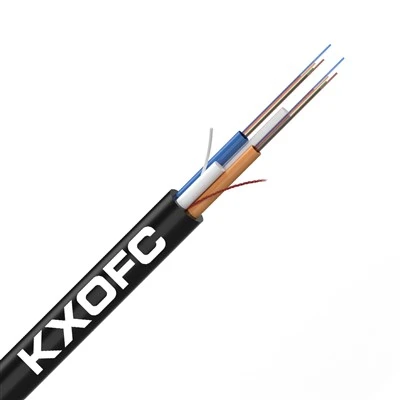
Hey everyone, it’s Sam from the team that works with Mini ADSS (we also call ‘em ASU cables day in and day out, so I’ve seen almost every question that pops up about keeping ‘em running strong). If you’re reading this, chances are you either just installed a handful of these All-Dielectric Optical Fiber Mini ADSS cables, or you’re troubleshooting why one’s acting up, and you want the real deal on maintenance—not some generic tech manual stuff that skips the stuff that actually matters. Let’s cut to the chase, because I know you’re here for actionable tips that won’t waste your time. All Dielectric Optical Fiber Cable and Mini Adss (asu)

First off, let’s get one thing straight: Mini ADSS (aka those slim, all-dielectric fiber cables we make for aerial installs) are way lower-maintenance than the old steel-reinforced alternatives. But that doesn’t mean you can throw ‘em up on a pole and forget ‘em entirely. I’ve seen customers skip even basic checks and end up needing to replace an entire line because of something stupidly preventable—like a small branch scraping the jacket, or a loose span that got stretched by wind. Most of the issues with these cables aren’t from the cable itself, they’re from how they’re treated after install, and how you check in on ‘em throughout the year.
Let’s start with the big one that almost no one talks about: tension and sag adjustments. Mini ADSS is designed for aerial spans, right? The whole point of the all-dielectric core is that it’s lightweight, so you don’t need those big, heavy support structures. But here’s the thing—temperature changes are the enemy here. When it’s super hot out, the cable expands, and when it freezes, it contracts. If you set the sag wrong at install, by fall or mid-summer you’re either dealing with a span that’s sagging so low it’s hitting power lines (we’ve had a customer in rural Ohio do that, fried a whole set of sensors last year) or a span that’s pulled so tight in winter it starts developing micro-cracks in the jacket. I tell every installer I work with: test sag at two extremes right after install—when it’s 90°F and when it’s 30°F. Don’t just go by the chart; actual field conditions matter more. And once a quarter, especially if your area has sudden temp swings (hello, Midwest, Mountain West), take a quick tape measure to the lowest point of each span. For Mini ADSS, the rule of thumb is: if the span length is under 500 feet, the lowest point should be at least 2 feet above any obstacles (power lines, trees, roofs). Longer spans? Add 6 inches per 100 feet of span length. That’s not some random number—we’ve done field tests with the utility guys, and that’s the sweet spot between avoiding contact and not stretching the cable too tight.
Next up: jacket inspections. The outer jacket of these all-dielectric cables is a hard, weather-resistant polymer, but it’s not indestructible. I’ve seen jackets get chewed by squirrels (they love gnawing on plastic that’s strung up high—weird), scraped by overgrown tree branches, or even cracked by UV exposure if the cable was installed without proper UV-rated wrapping for the first six months after install (that’s a rookie mistake a lot of new teams make). Here’s how I do these inspections, and I’ll admit, it’s quick—no climbing every pole unless you spot a red flag. Grab a pair of binoculars and scan each cable run every 3 months. Look for three specific things: first, any small nicks or cuts in the jacket. A nick that’s ¼ inch or smaller? You can fix that with a self-amalgamating tape—just wrap it tight, no need to splice the whole cable. If it’s bigger than that? You’ll want to order a small fiber repair kit, because water can seep in through that cut and damage the fiber core over time. Second, check for “flattening” of the cable. That’s when the jacket gets squished a little where it’s attached to the pole’s attachment hardware. If you see that, tighten the cable clamps just a tiny bit—don’t crank them, because that can also crush the core. Third, watch for fading or chalky spots on the jacket. That’s UV damage. If you see that, especially in areas that get direct sun 12+ hours a day (like desert Southwest or southern Florida), wrap that section with UV-protective tape for a couple of years until the cable acclimates? No, wait—actually, Mini ADSS jackets are UV-rated for most conditions, but new cables that were stored outside for a while before install can get a little extra UV burn early on. If you spot chalky areas, do a quick pull test on the jacket—if it’s brittle, that means it’s losing its flexibility, and you should plan to replace that section before it cracks fully.
Then there’s the part that people forget: pole hardware maintenance. The Mini ADSS is only as good as what’s holding it up, right? The clamps, guy wires, and anchors on the poles. A lot of teams just use the plastic clamps that come with the cable, but wait—if those clamps are left out in the rain and sun year after year, the plastic can degrade. I recommend swapping them out for galvanized steel clamps every 5 years, or if you see any cracking in the plastic clamps. Also, check the guy lines at least twice a year—usually when the seasons change. If a guy line is loose, it can make the pole wobble a little, which tugs at the Mini ADSS cable and causes tiny stress points in the core. If you’re in a windy area (like the Great Plains or Pacific Northwest), add a set of spring clips to the cable’s attachment points. Those take the brunt of the wind gusts, so the cable doesn’t get pulled tight all the time. I had a customer in Texas skip the springs last year, and a summer gust snapped a 400-foot span of Mini ADSS—cost them way more than the $50 worth of springs would’ve.
Wait, what about when you have to work around existing lines? A lot of our clients are adding Mini ADSS to existing utility or telecom runs, and they accidentally bump the old cable with equipment, or even the new Mini ADSS itself can rub against a line that’s already there. That’s called “cable-on-cable abrasion,” and it’s a silent killer. The outer jacket of Mini ADSS is tough, but if it’s rubbing against another cable 24/7, the jacket will wear through in a year or two, even if you can’t see it from the ground. The fix here is simple: every 6 months, add a small piece of protective tubing (we sell these as a add-on for our clients) to the section where two cables touch. It’s only a foot or two long, and it’s a cheap fix that saves you from having to splice or replace a whole cable run. I can’t stress that enough—abrasion is way more common than people think, especially in dense utility corridors.
Also, let’s talk about environmental stuff that’s not obvious. If your area gets a lot of ice or snow, you might think the weight of the snow is the problem, but it’s actually the sudden melting. When snow melts fast, it drips onto the cable, and then refreezes overnight. That frozen water adds extra weight, and if the cable was already set to a tight sag, that extra weight can stretch the core. The solution here isn’t to set the sag extra loose, because that brings it too close to obstacles. Instead, in areas with heavy ice/snow, install cable de-icer strips on the critical spans. They’re low-power, run off the pole’s existing power, and they keep the cable warm enough that snow doesn’t stick. We’ve had clients in northern Minnesota use these for 10 years, and they’ve barely had any cable issues from ice.
One last thing: regular performance checks, not just visual. You don’t need to test the fiber’s signal every week, but once a year, run a quick optical time-domain reflectometer (OTDR) test on each line. This test will show you if there are any hidden micro-bends in the core that you can’t see from the ground. Micro-bends are tiny, almost invisible twists in the fiber that cause signal loss over time—usually from stress that built up when the cable was installed or adjusted. If the OTDR shows a sudden spike in signal loss at a certain point, that’s a sign to go check that section for damage, even if you didn’t see anything during your visual inspection. We recommend hiring a local telecom tech to do this—most will charge a flat rate per line, and it’s way cheaper than having to troubleshoot a full outage later.
Wait, let’s make this clear: I’m not here to sell you anything extra, but let’s be real—most of these issues are preventable with 30 minutes of checks every quarter. I’ve seen new clients come to us after a year of installing Mini ADSS and complain about constant outages, and when we ask, they say they never did any sag checks or OTDR tests. That’s the mistake. These cables are built to last 25+ years if you treat them right, but only if you stay on top of small maintenance tasks, not just big, overhauls every few years.
Now, if you’re here because you’re ready to source Mini ADSS cables for your project, or you have questions specific to your setup (like how to adjust sag for a span in your area, or what repairs you need for a damaged section), feel free to reach out to our team. We work with everyone from small rural telecoms to large city utility companies, so we know how to tailor maintenance tips to different environments. No generic advice here—just real, hands-on stuff we’ve picked up from working with these cables for years.
References:
- Fiber Optic Association. (2022). Maintenance Guidelines for All-Dielectric Self-Supporting (ADSS) Cables. FOA Technical Brief 17.
- International Electrotechnical Commission. (2021). IEC 60794-1-2: Optical Fibre Cables – Part 1-2: Generic Specification – Section 2: Environmental Requirements and Test Methods for Aerial Applications.
- North American Electric Reliability Corporation. (2023). Best Practices for Aerial Telecommunication Cable Installation and Maintenance in Rural and Suburban Corridors.
Anti Rodent Biting Fiber Cable That’s the wrap-up—no fluff, just the stuff that actually works for Mini ADSS. Don’t skip the small checks, and your cables will run smooth for decades.
Hangzhou Lin’an Kexin Optical Cable Co., Ltd.
As one of the most professional all dielectric optical fiber cable and mini adss (asu) manufacturers and suppliers in China, we’re featured by quality products and good price. Please rest assured to wholesale discount all dielectric optical fiber cable and mini adss (asu) made in China here and get pricelist from our factory. Customized orders are welcome.
Address: No. 28 Linglong Street,Lin’an Area, Hangzhou City, Zhejiang Province, China
E-mail: sales@kexincable.com
WebSite: https://www.kexincable.com/
