If you’ve ever stood in your kitchen, staring at a half-eaten pint of vanilla or a bag of fresh berries, wondering if the sturdy paper or plastic cups you use for daily ice cream can double as molds for homemade popsicles, you’re not alone. As someone who’s spent the last 12 years as an ice cream cup supplier—working with small-batch home bakers, gelato shops, and even families turning summer excess fruit into frozen treats—I get this question all the time. It’s not just a random “can I reuse this cup?” query; it’s a balance of practicality, food safety, and getting that perfectly shaped popsicle that doesn’t stick to store-bought sticks. Today, let’s break down if those ice cream cups are actually a good choice for popsicle making, what works (and what to avoid), and how to do it right without ruining your batch or risking your family’s food safety. Ice-cream Cup
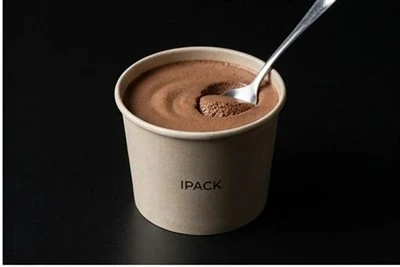
First, let’s address the most basic question: what even makes a good popsicle mold? A reliable popsicle mold needs a few key things: it has to hold liquid without leaking, it needs to be compatible with freezing temperatures (no cracking or leaching), it should be easy to remove the frozen treat from, and ideally, it works with standard popsicle sticks so you don’t hunt for supplies mid-freeze. Now, how do common ice cream cups stack up to this checklist? Let’s start with the two most popular ice cream cup materials: paper and plastic, because those are the ones most people have in their freezers or pantries.
Paper ice cream cups are the workhorses of our product line, and honestly, they’re actually a solid pick for most home popsicle projects—if you pick the right weight and coating. Not all paper cups are created equal, though. Back when I first started in the industry, a local bakery called to complain that their disposable paper cups kept cracking when they froze their signature lemon sorbet pops. Turns out, they were using the thin, lightweight 3.5-ounce paper cups meant for single scoops of soft serve. Thin paper doesn’t have enough structural integrity to expand as the liquid inside freezes (water expands by about 9% when it turns to ice, a key science point most people miss). That expansion puts pressure on the cup walls, and thin paper can’t flex enough—so it cracks, and your popsicle ends up oozing out the sides.
The fix for paper cups: go for heavy-duty, food-grade paper cups with a polyethylene (PE) lining, not the thin, unlined ones. The PE lining is the secret here—it’s a thin plastic coating on the inside of the paper that prevents the cup from absorbing moisture from the popsicle mix, stops leaks, and adds a little flexibility. The standard 4- to 8-ounce heavy-duty paper cups we supply to gelato shops are perfect for popsicles; they hold enough mix for a single large treat, flex enough to handle freezing expansion, and the lining keeps fruit acids (from strawberry, lemon, or citrus mixes) from breaking down the paper. I’d steer clear of paper cups that are labeled “compostable” unless they’re specifically marked for low-temperature use, because many plant-based compostable linings break down at 0°F or colder, leading to leaks and mess.
Now, plastic ice cream cups. These are a mixed bag. On one hand, rigid plastic is naturally more freeze-resistant than paper, so it doesn’t crack as easily. But on the other hand, not all plastic is food-safe for freezing, and some types leach chemicals when exposed to certain ingredients or temperatures. The biggest red flag here is single-use disposable plastic cups that are labeled for “cold use only” or have a recycling code #3 (PVC) or #6 (polystyrene). PVC can leach phthalates when frozen and exposed to acidic mixes like tomato or lemon, and polystyrene (the stuff takeout clamshells are made of) becomes brittle in the freezer, so it cracks, and the popsicle sticks to the plastic lining. The only plastic cups I recommend for popsicles are rigid, BPA-free polyethylene (PE) or polypropylene (PP) cups with recycling codes #2 or #5. These are the same materials used in reusable food storage containers, so they handle freezing temperatures, are resistant to acidic mixes, and can even be washed and reused for multiple popsicle batches if you’re making them regularly.
Wait, but what about the popsicle sticks? That’s another part people forget. A popsicle cup is useless if you can’t insert a stick that stays put, doesn’t leach chemicals, and pulls out without leaving half the popsicle stuck in the cup. For paper cups, the trick is to insert a standard wooden popsicle stick about two-thirds of the way into the cup before you freeze the mix. The paper’s slight texture will hold the stick in place, and by the time the popsicle is frozen, the stick is embedded enough that you don’t have to worry about it slipping out when you take a bite. For plastic cups, you can even make a small slit in a piece of aluminum foil (covered tightly over the top of the cup) and insert the stick through the slit—this keeps the stick straight and prevents freezer burn on the top of the popsicle, which is a common complaint.
Now, let’s talk about the food safety part, because this is where a lot of home cooks go wrong. Ice cream cups are designed to hold cream, sugar, and other frozen dessert ingredients, but that doesn’t mean they’re regulated the same way as popsicle molds for long-term freezing, right? Wait, no—food packaging in the U.S. (and most countries that follow FDA or EFSA guidelines) requires all food contact materials to be safe for their intended use. Ice cream is frozen at 0°F or colder, same as popsicles, so cups designed for ice cream should technically be safe for popsicles, but there are caveats. If you have a paper cup that’s been used for hot coffee in the past, don’t use it for popsicles—even if you wash it. The PE lining on hot cups is designed to withstand high temperatures, not freezing, and can break down when exposed to both hot and extreme cold. Only use cups that are clearly labeled for “food use” and “freezer safe” for both paper and plastic.
I’ve seen too many horror stories from customers who tried to reuse old takeout plastic yogurt cups for popsicles, only to end up with a batch that had a weird chemical aftertaste. That’s because those cups often have a thin, low-cost polypropylene lining that isn’t formulated for long-term freezing and acidic ingredients. Stick to the same grade of cup you’d use for storing ice cream for a week in your freezer, and you’re good to go.
Another common question: do ice cream cups work for popsicles if you’re using chunky mixes, like fruit with seeds or chocolate chips? Absolutely, as long as the cup is large enough to hold the mix and has enough top space for expansion. I always recommend leaving about a ½ inch of headspace at the top of the cup before inserting the stick and putting it in the freezer. That ½ inch gives the liquid room to expand as it turns to ice, so you don’t have popsicle mix oozing over the top of the cup and getting stuck to your freezer shelves. Chunky mixes like mango with diced pineapple work perfectly here—heavy cups won’t leak, and when you’re ready to eat, you just run the cup under warm (not hot!) water for 10 seconds, twist the cup gently, and the popsicle slides right out. No more messy molds to wash, either.
Wait, what about reusable ice cream cups, the ones people use for gelato at home? Those are even better for popsicles, because they’re designed to be washed and reused, so they last for months of summer pop making. The only downside is that some of the larger reusable cups (16 ounces or more) might be too big for a single serving, so you’d have to cut a larger popsicle in half. For individual serving popsicles, stick to 4 to 8 ounce cups, whether paper or plastic, and you’ll get the perfect size.
Now, let’s address the exceptions. Are there any ice cream cups you should never use for popsicles? Yes. First, thin, uncoated paper cups. I once had a customer bring me a batch of cracked popsicles made from these cups, and when we cut one open, the paper had absorbed so much of the fruity mix that the inside was mushy and the popsicle was falling apart. Second, plastic cups with no food safety labeling. If you can’t find a recycling code or “food safe” mark on the bottom, toss it—you don’t want to risk chemicals leaching into your frozen treat. Third, paper cups that have a wax lining, not a PE lining. Wax linings melt at low temperatures and dissolve when they come into contact with liquid, leading to leaks and a waxy taste on your popsicle.
As an ice cream cup supplier, I’ve tested this myself too. Last summer, I did a trial for a local kids’ summer camp, where we used our 5-ounce heavy-duty paper cups for strawberry popsicles, lemon sorbet pops, and even chocolate fudge pops for 200 kids. We checked in with the camp a week later, and their only complaint was that we didn’t make more. The popsicles didn’t leak, they were easy to remove, and no one had any issues with the cups breaking. We even had a few parents ask where they could get the same cups for their home popsicle batches.
So, putting it all together: yes, you can absolutely use ice cream cups for making popsicles—if you choose the right ones. The key is picking heavy-duty, food-grade, freezer-safe paper cups with a PE lining for most home projects, or BPA-free #2 or #5 rigid plastic cups for reusable batches. Avoid thin, uncoated, wax-lined, or unlabeled cups, always leave headspace for expansion, and insert popsicle sticks before freezing for the best results. The best part? You don’t have to buy special, expensive popsicle molds. Most people already have ice cream cups in their kitchen, or can pick up a pack at the grocery store for a fraction of the cost of specialty molds.
If you’re running a small business—like a bakery, food truck, or summer pop-up—using ice cream cups for popsicles is also a smart move for branding. You can print your logo on the cup, and since the cups are the same as what you use for ice cream, your customers will recognize your brand whether they’re buying a single scoop or a popsicle. At the end of the day, it’s all about practicality and food safety, and that’s what I’ve built my business on: providing cups that work for both everyday ice cream and the creative frozen treats that make summer feel special.

If you’re looking to stock up on high-quality, freezer-safe ice cream cups for your homemade popsicles, or if you need a consistent supplier for your business, don’t hesitate to reach out and discuss your requirements with our team. We offer a range of sizes and materials tailored for both home use and commercial operations, so we can help you find the perfect fit for your popsicle projects.
Single Wall Paper Cup References:
FDA, "Food Contact Substance Notification (FCN) Program for Food Packaging Materials", 2022
EFSA Panel on Food Contact Materials, Enzymes, Flavourings and Processing Aids (CEF), "Scientific Opinion on the safety of plastic materials and articles intended to come into contact with food", 2017
National Ice Cream Retailers Association, "Best Practices for Frozen Dessert Packaging in Home and Commercial Settings", 2021
USDA Food Safety and Inspection Service, "Safe Handling of Frozen Foods", 2020
Wuhan Xinyongan Industry and Trade Co., Ltd.
Wuhan Xinyongan Industry and Trade Co., Ltd. is one of the most professional ice-cream cup manufacturers and suppliers in China, also supports customized service. We warmly welcome you to wholesale bulk high quality ice-cream cup in stock here from our factory. If you have any enquiry about pricelist, please feel free to email us.
Address: No. 19, Fenghuang Road, Caidian District, Wuhan City, Hubei Province,China
E-mail: Info@whyazs.com
WebSite: https://www.ipackpartner.com/
