If you’ve ever stood on a production floor, watched goods zip through a warehouse distribution center, or observed raw materials move smoothly in a mining operation, chances are a fabric conveyor belt was doing the heavy lifting behind the scenes. As someone who’s spent over a decade as a fabric conveyor belt supplier—talking to plant managers, maintenance leads, and logistics coordinators every day—I’ve seen first-hand how the right conveyor belt isn’t just a piece of equipment, but a core part of keeping operations running on time and on budget. A lot of folks I talk to often ask: why choose a fabric belt over, say, rubber or metal alternatives? The answer isn’t just one thing—it’s a mix of practical, technical, and cost-saving advantages that add up to big benefits for businesses of all sizes. Let’s break down what makes fabric conveyor belts a go-to choice for so many industries, and why they might be the right fit for yours too. Fabric Conveyor Belt
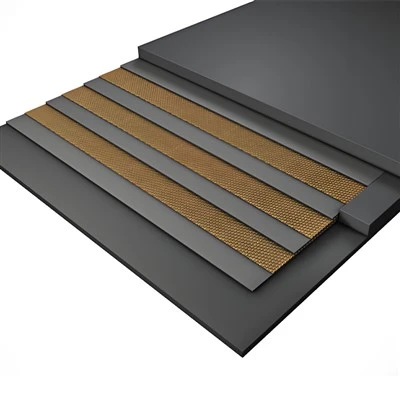
First off, one of the biggest draws of fabric conveyor belts is their unbeatable durability, especially for medium-to-heavy duty applications that don’t require metal’s extreme strength. Unlike solid metal belts, which are prone to denting, bending, and rust when exposed to moisture or abrasive materials, fabric belts are engineered with multiple layers of strong, woven synthetic fabric—usually polyester, nylon, or a blend of both—bonded together with a tough rubber or PVC cover. This layered construction isn’t just a marketing trick; it means the belt can handle repeated impacts from heavy items like construction aggregate, packed grains, or manufactured parts without tearing or failing prematurely. Last year, I worked with a small landscaping company that was using a standard rubber belt to move 50-pound bags of mulch and topsoil. Their old belt would stretch out and develop frayed edges after just six months, leading to costly downtime for repairs and replacements. When we switched them to a 2-ply polyester fabric belt with a rugged rubber cover, they told me the belt lasted nearly three years—no major repairs, no unplanned shutdowns mid-season. That kind of longevity directly translates to less money spent on parts and labor, which is a win for any bottom line.
Another key advantage is their versatility. Fabric conveyor belts aren’t one-size-fits-all, which is why they work across such a wide range of industries. Agriculture is a huge user—many farms and food processing plants rely on fabric belts to move harvested grain, fruits, vegetables, and animal feed. The smooth, non-porous cover of many fabric belts can be customized to be food-grade, meaning it’s safe for direct contact with food products, easy to clean, and resistant to stains and odors. I’ve worked with a family-owned wheat farm in the Midwest that needed a belt to move grain from the combine to storage silos; they opted for a light-duty nylon fabric belt with a matte cover that doesn’t scratch the wheat, so the grain stays intact and worth its full market value. On the other end of the spectrum, mining and construction use heavy-duty fabric belts with thicker, more abrasive-resistant covers to move rocks, gravel, and coal. Some fabric belts are even designed to handle high-temperature materials, like hot asphalt or baked ceramics, thanks to specialized heat-resistant rubber blends that don’t break down in extreme heat. Whether you’re moving light, fragile items like electronics or heavy, sharp materials like construction debris, there’s a fabric belt tailored to your needs.
Cost efficiency is another big reason businesses lean toward fabric conveyor belts, especially when you look at the full lifecycle of the equipment, not just the initial purchase price. At first glance, metal conveyor belts might seem like a one-time investment, but over time, they’re more expensive to maintain and replace. Metal belts rust, develop sharp edges that can damage the materials they’re moving, and require regular lubrication to prevent friction-related wear. Fabric belts, by contrast, need very little routine maintenance—most just require a quick wipe-down or a light cleaning every few months, depending on the materials they handle. They’re also lighter than metal belts, which means the conveyor system they’re attached to doesn’t need as much structural support. That translates to lower installation costs, because you don’t have to reinforce the floor or build a heavier frame to hold the belt. I remember a manufacturing client who was switching from a steel belt to a fabric belt for their assembly line. They told me the installation was 30% faster, and they saved almost $2,000 on structural modifications right off the bat. Plus, as we saw with the landscaping company earlier, fabric belts last longer than many alternatives, so you don’t have to budget for a new belt every year or two. Over five years, the total cost of a fabric belt is often half or less of what you’d spend on a metal rubber alternative, when you add up maintenance, repairs, and replacements.
Flexibility and ease of installation are two more underrated benefits of fabric conveyor belts. Unlike metal belts, which are rigid and often require specialized tools or teams to cut and fit on-site, fabric belts are manufactured in custom lengths and can be spliced on-site with simple, heat or chemical bonding methods. That means if your production line is in a tight space, or you need to adjust the length of your conveyor to fit a new warehouse layout, you don’t have to wait weeks for a custom-made metal belt. Last quarter, I worked with a logistics company that was expanding their warehouse and needed to extend their conveyor system for new inventory bins. They were worried the custom metal belt would take four weeks to arrive, which would delay their new bin setup. We sent over a fabric belt that matched their exact specs, and our on-site team spliced it into place in less than a day. The whole project was done on time, and they avoided thousands of dollars in lost revenue from the delay. Fabric belts also bend easier around curves and corners, which makes them ideal for conveyor systems that need to move items through tight spaces, like in food processing plants that have multiple workstations close together. A metal belt would struggle to make those tight turns without kinking or breaking, but a properly designed fabric belt moves smoothly, reducing jams and keeping operations flowing.
Wait, let’s not forget about safety, which is non-negotiable on any work floor. Fabric conveyor belts are designed with features that reduce workplace injuries, which is a major concern for businesses everywhere. Many fabric belts have anti-slip covers that prevent items from sliding off the belt during movement, which reduces the risk of items falling and hurting workers, or causing damage to the goods being transported. They’re also less likely to catch on clothing or tools than metal belts, which are rigid and have sharp edges if they’re damaged. For food processing facilities, food-grade fabric belts are non-toxic and don’t shed small metal particles like some metal belts can, which reduces the risk of contamination in food products. I recently spoke to a safety manager at a snack food company that switched to fabric belts after a small incident where a metal belt shed a tiny piece of steel into a batch of pretzels. They had to throw away an entire day’s production run, costing them over $10,000 and putting them at risk of a food safety violation. Since switching to food-grade fabric belts, they’ve had zero incidents of contamination-related losses, and their workplace injury rate from conveyor-related accidents dropped by 25% in the first year. That kind of safety benefit isn’t just good for workers—it’s good for your business’s reputation and bottom line.
Of course, fabric conveyor belts aren’t the right choice for every single application. If you need to move extremely heavy items, like steel beams or large machinery, a metal belt or chain conveyor might be more durable. And if you’re working with materials that are highly corrosive, you might need a specialized belt that’s more resistant to chemical damage than standard fabric belts. But for 80% of the conveyor applications I see across agriculture, manufacturing, logistics, food processing, and small-scale mining, fabric belts check all the boxes. They balance strength, versatility, cost, and safety in a way that few other conveyor belt types can.
As a supplier, I’ve spent years refining our fabric belt offerings to make sure we’re meeting the unique needs of each customer. We work closely with every client to assess their application, the materials they’re moving, their budget, and their timeline, so we can recommend a belt that’s not just a one-size-fits-all solution, but one that will work for their specific operations. Whether you’re a small farm needing a light-duty belt for grain, or a large manufacturing plant needing heavy-duty belts for assembly line parts, we have options ranging from food-grade, easy-to-clean covers to abrasion-resistant blends for harsh materials.
If you’re tired of frequent belt replacements, high maintenance costs, or conveyor-related downtime that’s cutting into your profits, it’s time to consider switching to a fabric conveyor belt. Our team is here to answer any questions you have, help you find the right belt for your needs, and provide support from initial consultation to after-installation maintenance. Don’t let outdated conveyor systems hold your operations back—reach out today to discuss your fabric conveyor belt requirements.
Conveyor Belt Monitoring System References
- Conveyor Belt Manufacturers Association. (2022). Global Conveyor Belt Market Report: Performance and Application Trends.
- Smith, J. (2021). Lifecycle Cost Analysis of Conveyor Systems for Industrial Operations. Journal of Material Handling and Logistics.
- Food and Agriculture Organization of the United Nations. (2020). Guidelines for Food-Safe Conveyor Belt Selection in Agricultural Processing.
- Occupational Safety and Health Administration. (2019). Safety Standards for Conveyor Systems in Manufacturing and Warehousing.
- Industrial Belt Technology Association. (2023). Technical Guide to Fabric Conveyor Belt Design and Application.
Alumina Technology (Qingdao) New Materials Co., Ltd.
As one of the most professional fabric conveyor belt manufacturers and suppliers in China, we also support customized service. With abundant experience, we warmly welcome you to buy fabric conveyor belt for sale here and get quotation from our factory. For price consultation, contact us.
Address: No.448, Jiangshan South Road, Huangdao District, Qingdao City, Shandong Province
E-mail: Gloria.zhang@contitech.cn
WebSite: https://www.altechconveyorbelt.com/
